Historically, the jewellery industry divided gemstones into two strict categories: precious and semi-precious. Today, however, modern gemmologists reject this distinction as an arbitrary and outdated 19th-century marketing tactic.
The Marketing Myth: Precious vs. Semi-Precious
The traditional classification system relies on prestige rather than science:
- Precious Stones: Historically, jewellers limited this title to the “big four”—Diamond, Ruby, Sapphire, and Emerald. Merchants valued them for their exceptional durability, historical prestige, and perceived rarity.
- Semi-Precious Stones: This sweeping category lumps together all other gemstone varieties, regardless of their actual value or rarity. It includes familiar stones like amethyst, garnet, peridot, topaz, and tourmaline.
The Real Drivers of Gemstone Value
Strip away the marketing, and a gemstone’s true worth depends on three core factors: rarity, durability, and aesthetic appeal.
The “semi-precious” label often hides incredible value. Many stones in this category easily outperform lower-quality diamonds or sapphires in both rarity and price per carat. For example, high-end alexandrite and vivid green tsavorite garnet command premium prices on the global market because miners find them in such severely limited quantities.
The Great Diamond Illusion
Geologists consider diamonds relatively common. Made of abundant carbon, they are more plentiful in the Earth’s crust than gold and, in total volume, significantly outnumber other traditional gems like rubies, emeralds, and sapphires.
So why are they so expensive? Diamond merchants tightly control the release of gem-quality stones suitable for jewellery, creating artificial scarcity.
- Global Production: Globally, mining companies extract over 130 million carats of diamonds each year.
- Top Producers: Russia currently leads the world in natural diamond reserves and total production by volume. Meanwhile, Botswana claims the number one spot for diamond production by total financial value.
- Local Supply: If you live in the UK, you cannot realistically find raw diamonds in nature; the local geology simply does not support them.
To put diamond rarity into perspective, consider Tanzanite. Miners find this striking blue-violet stone in only one location on Earth—a small strip of land near Mount Kilimanjaro. As a result, Tanzanite is roughly 1,000 times rarer than a diamond.
Stones with Zero Resale Value
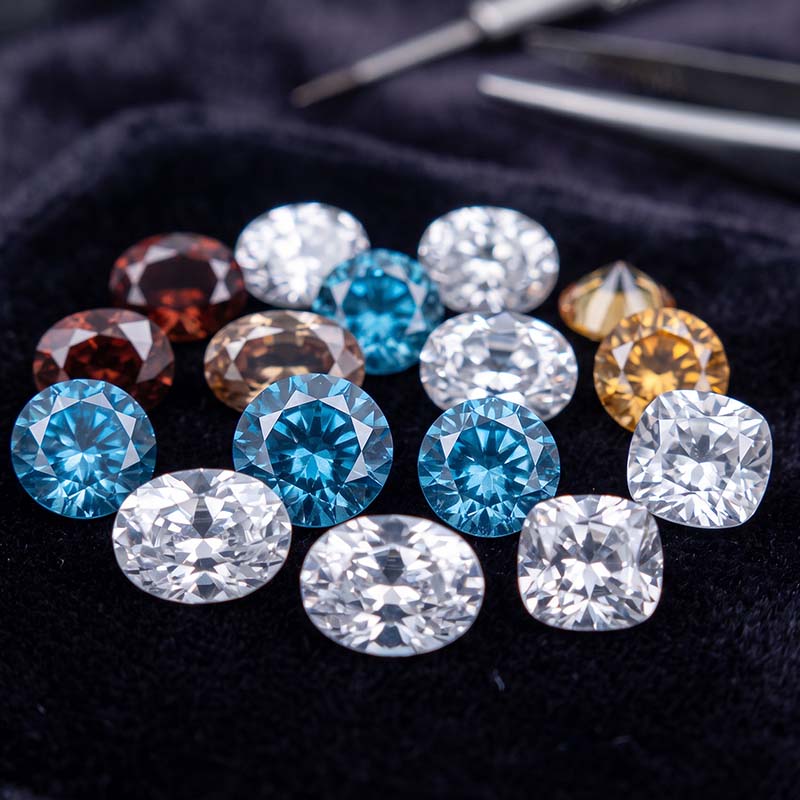
No official authority declares a gem “most worthless,” but the market ultimately decides. Common quartz and synthetic simulants, such as cubic zirconia, hold practically zero resale value. Because nature produces quartz in massive abundance and laboratories manufacture cubic zirconia cheaply on demand, they lack the inherent scarcity that drives gemstone investments.
The Gemstone Identification Challenge
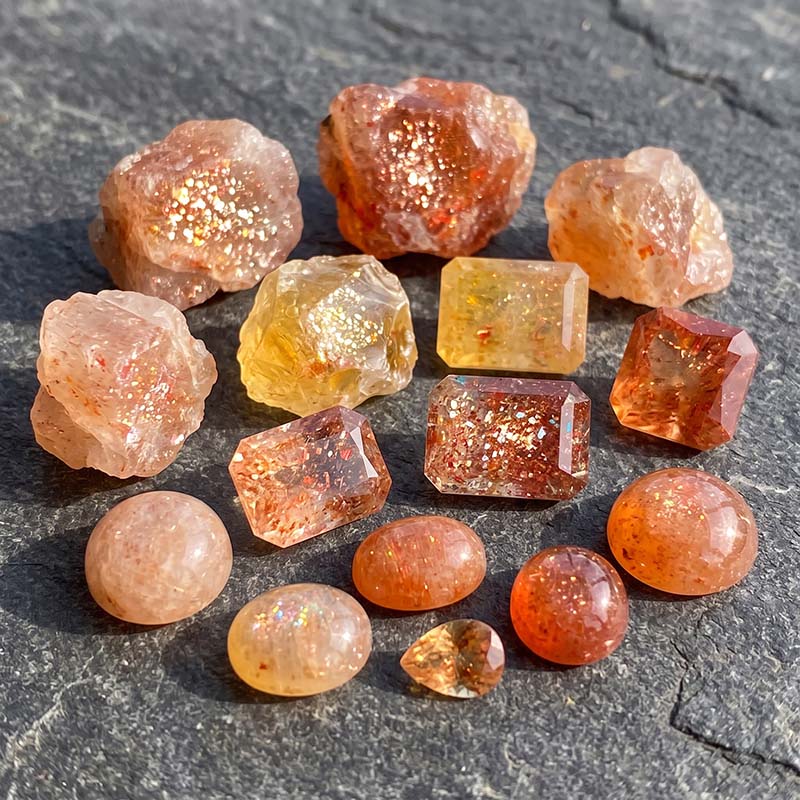
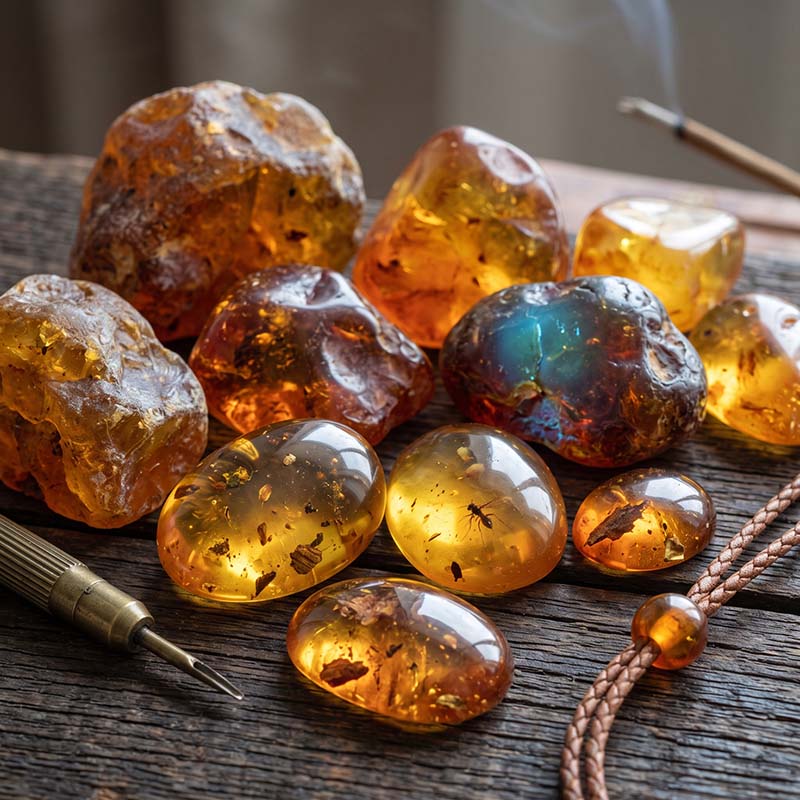
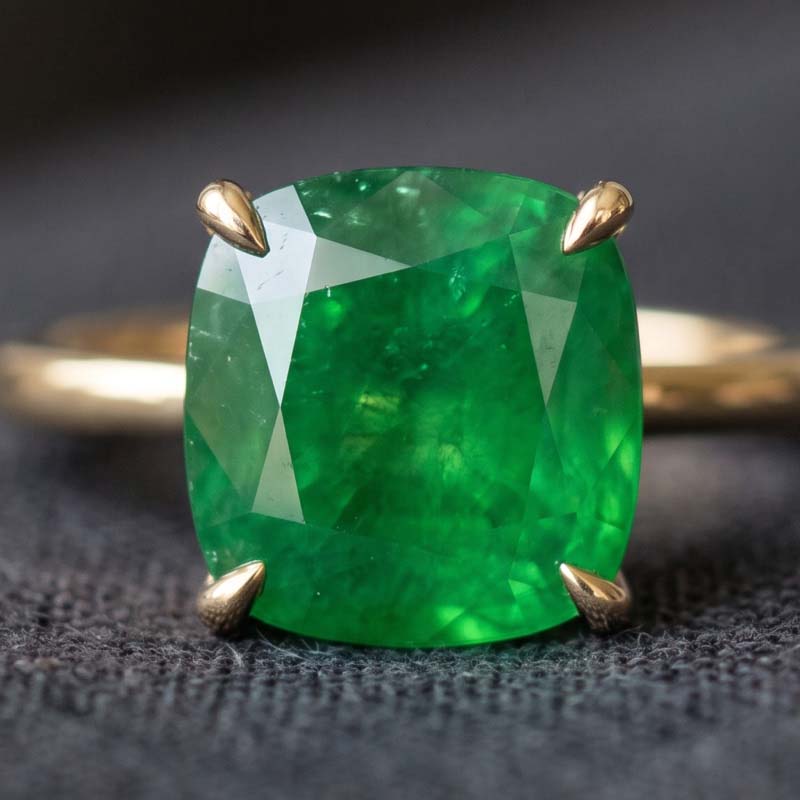
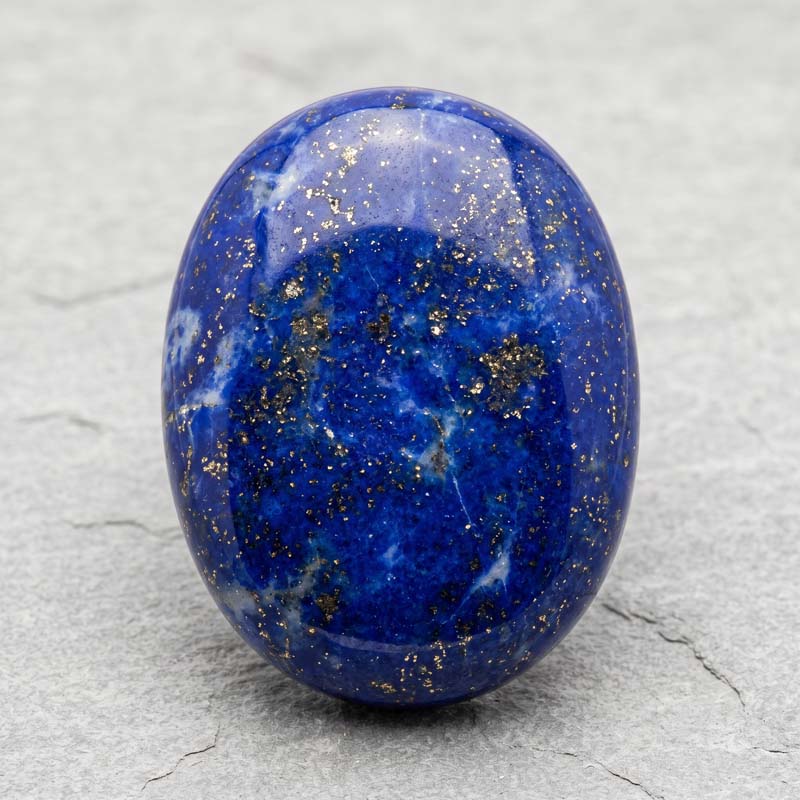
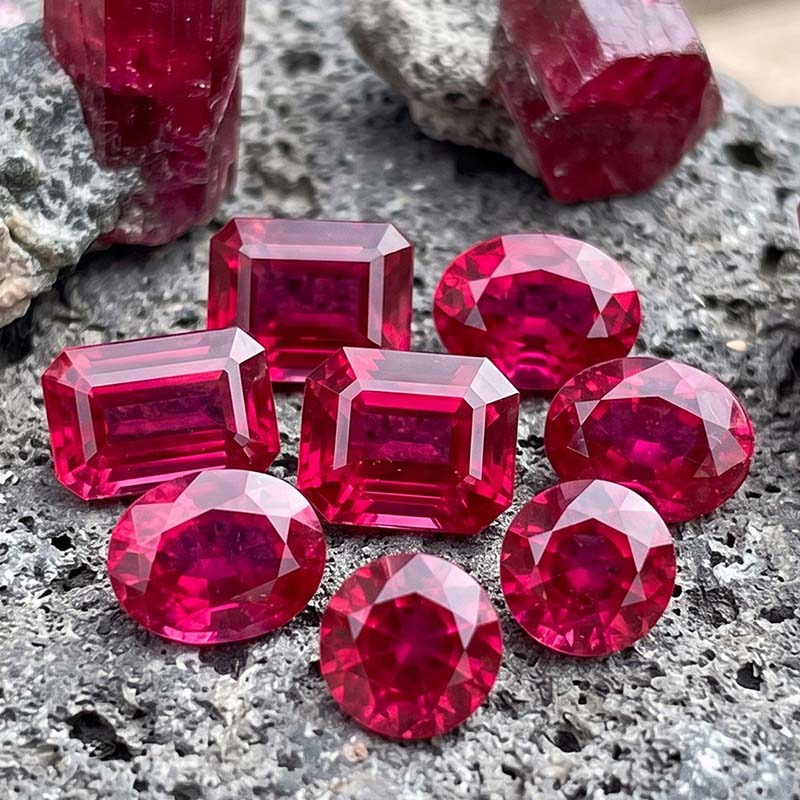
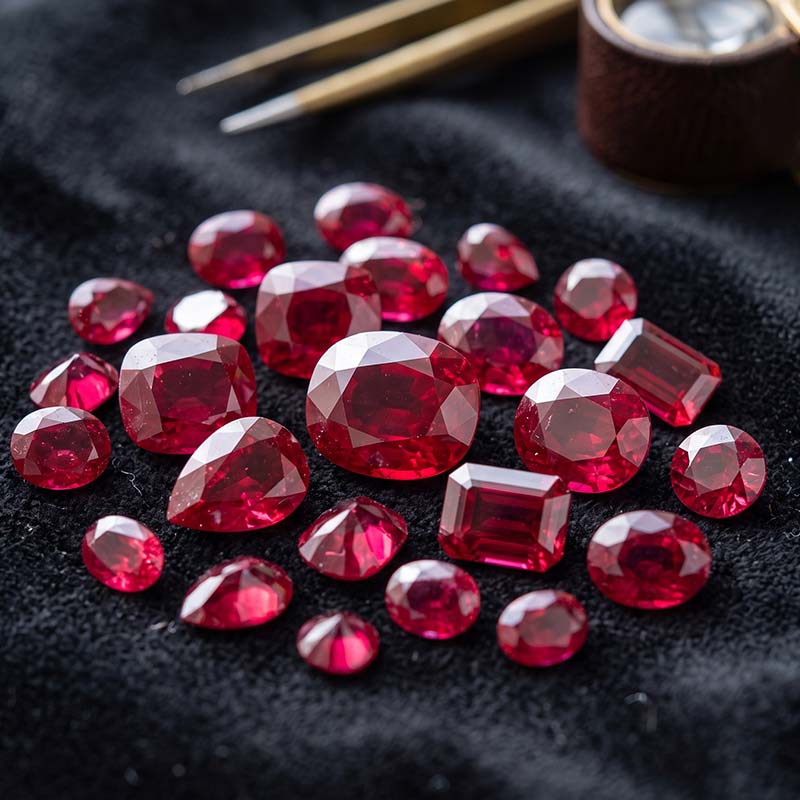
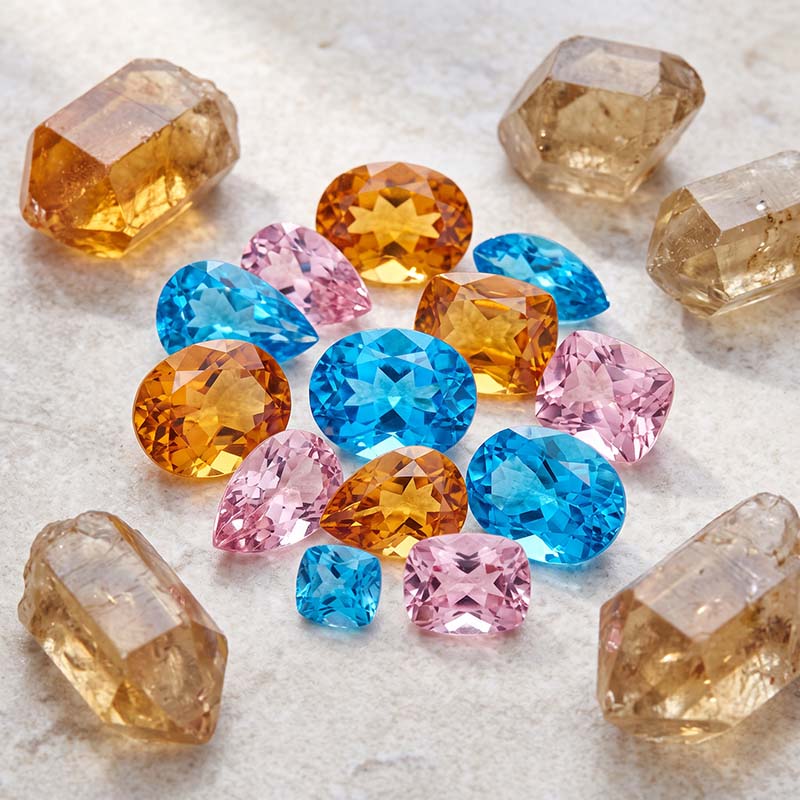
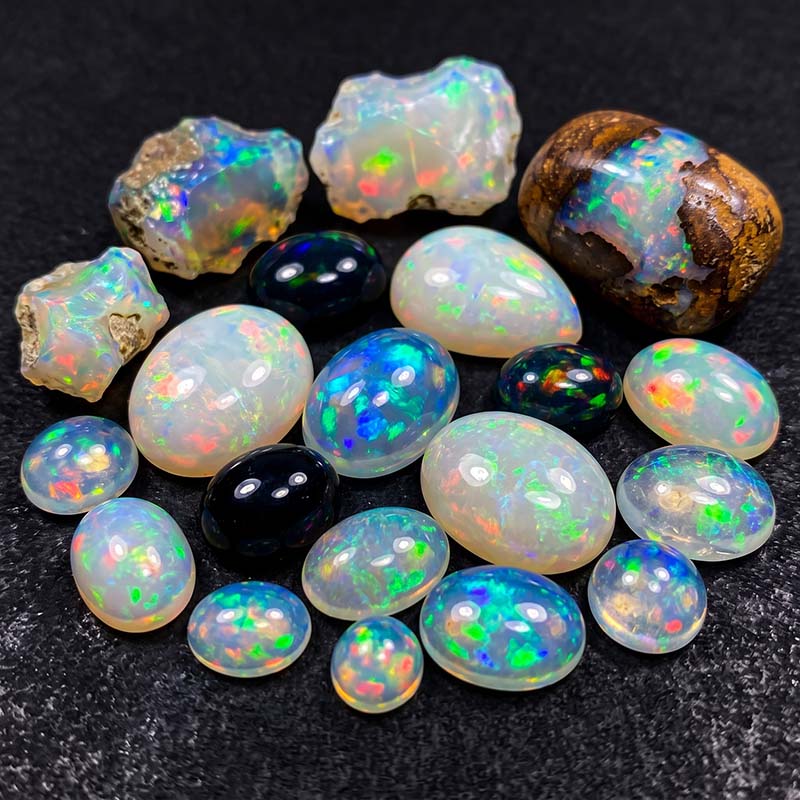
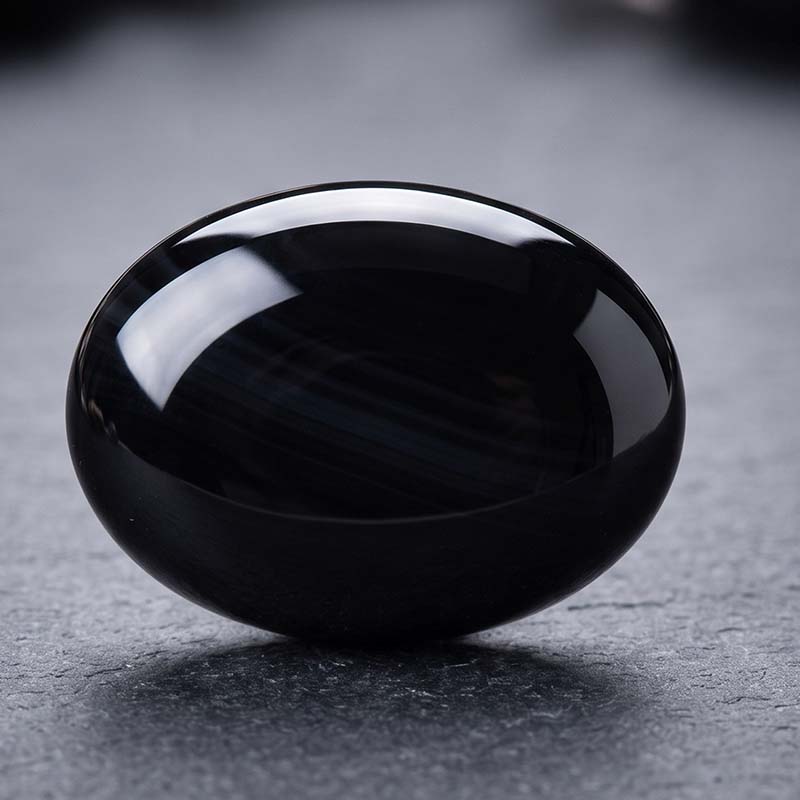
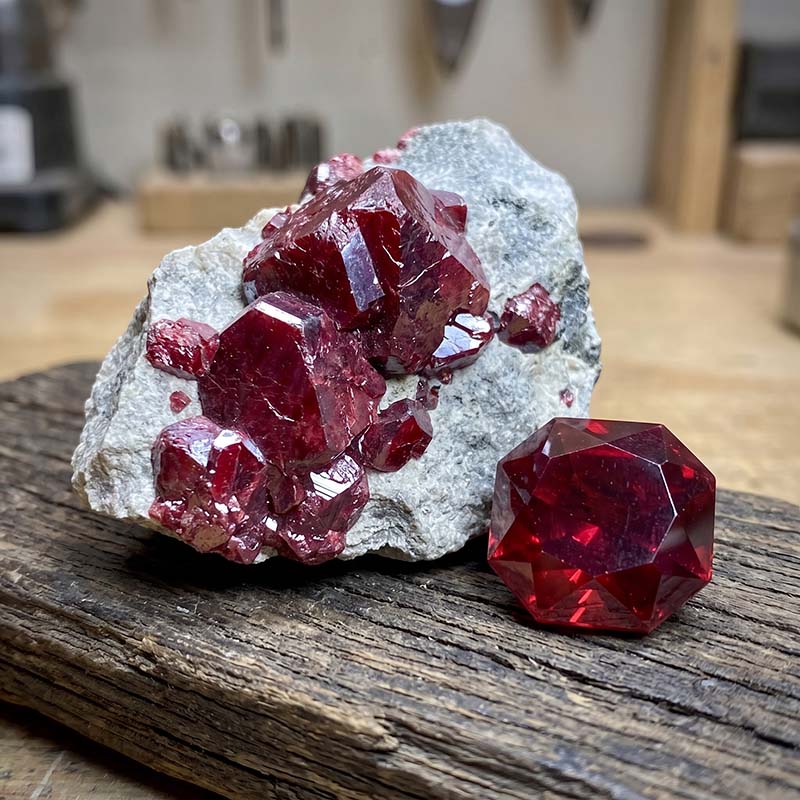
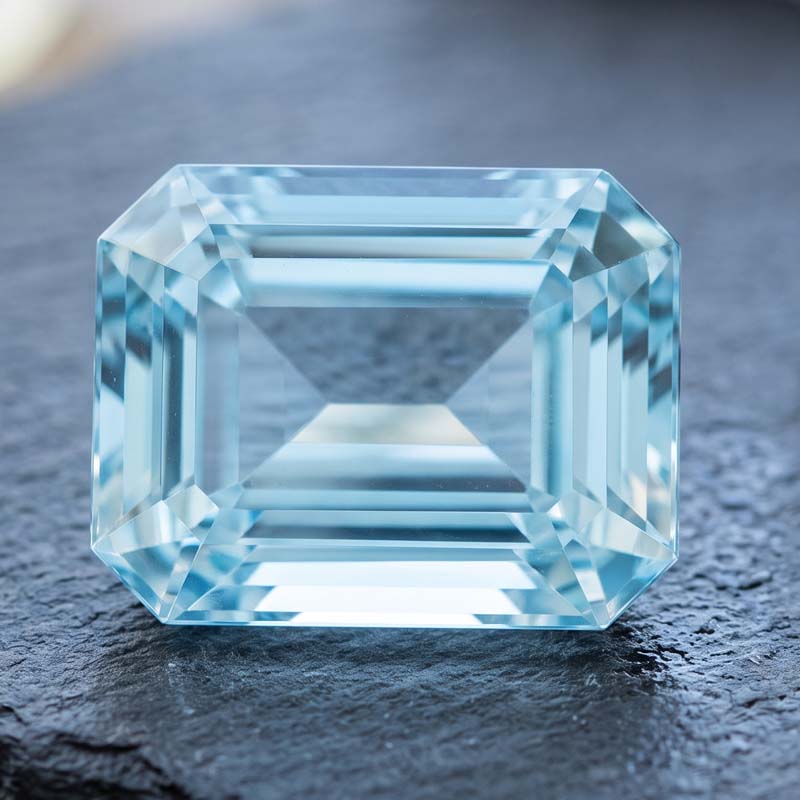
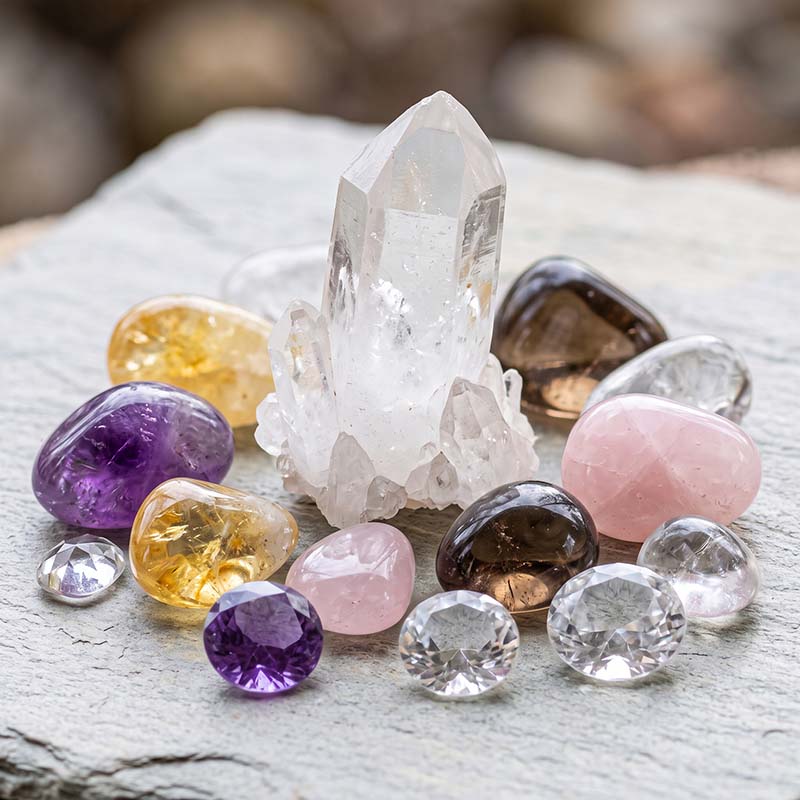
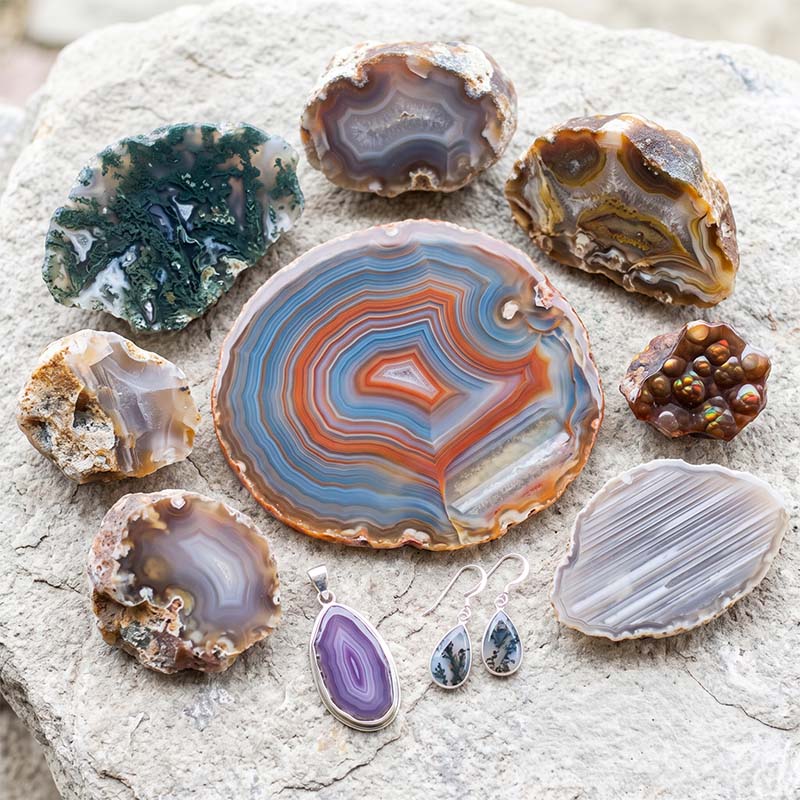
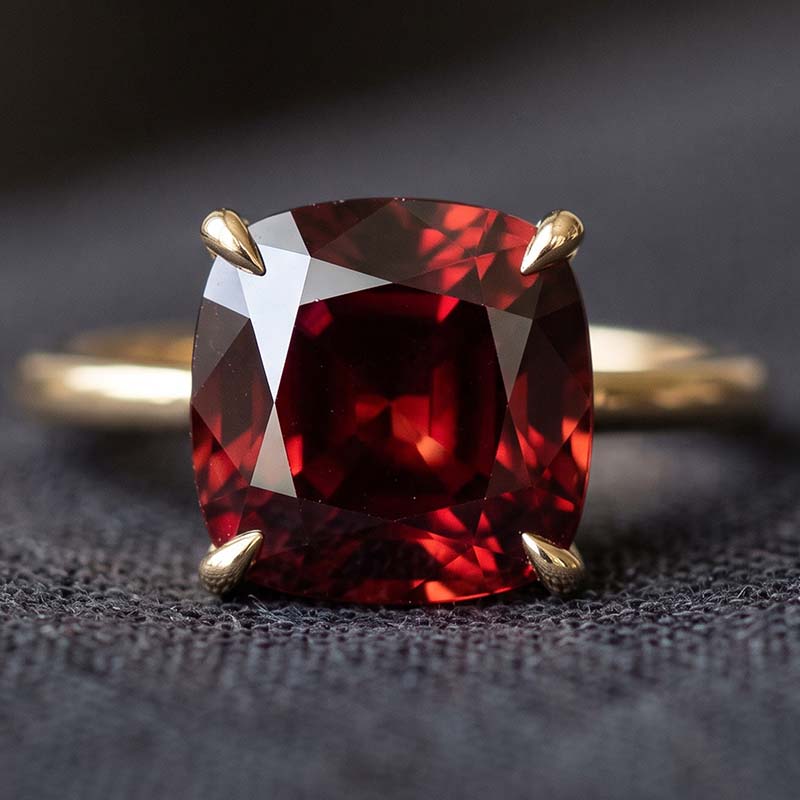
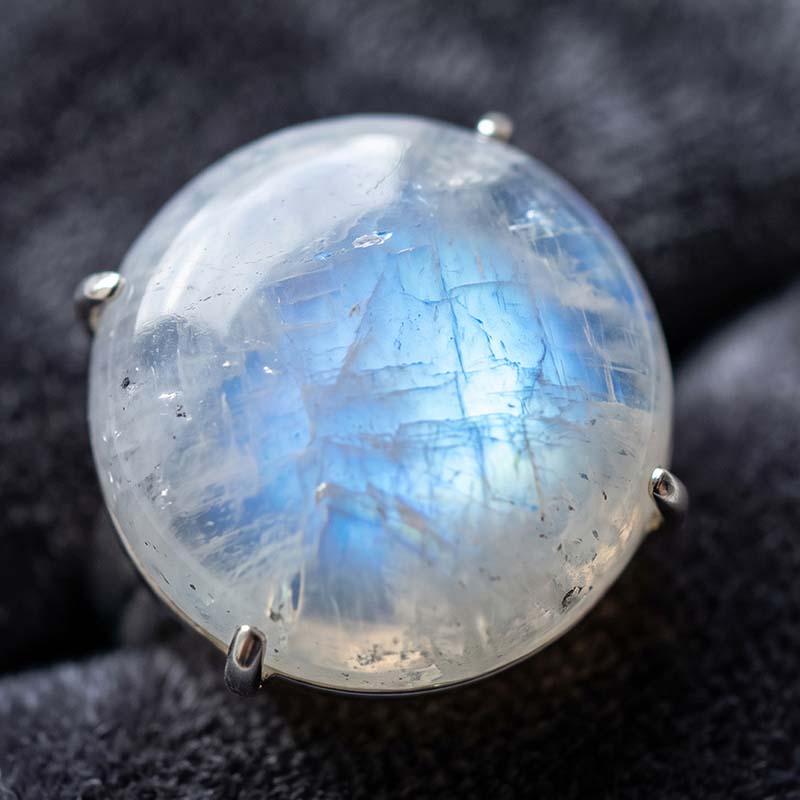
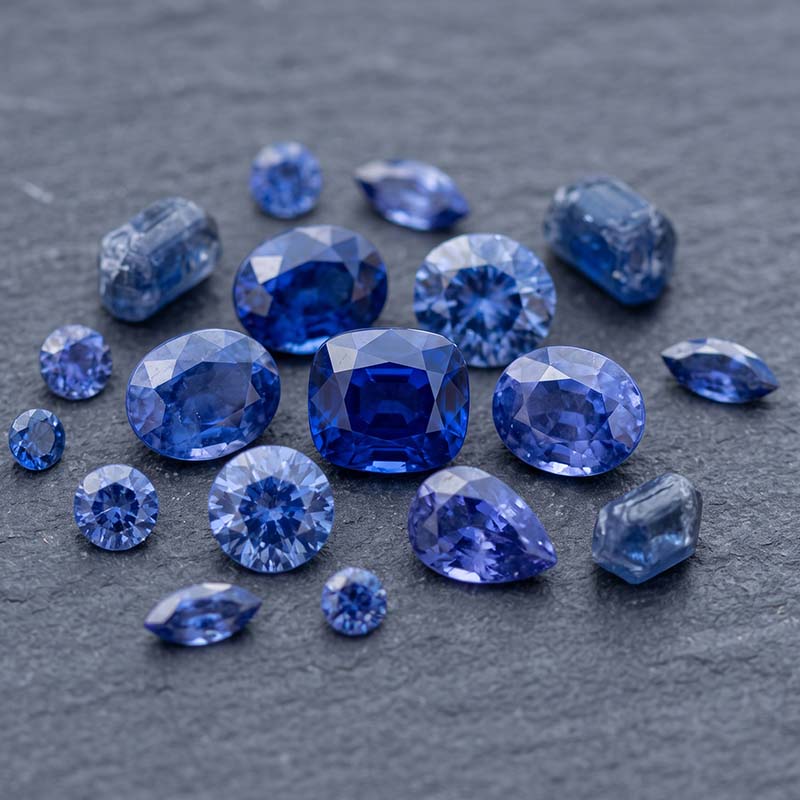
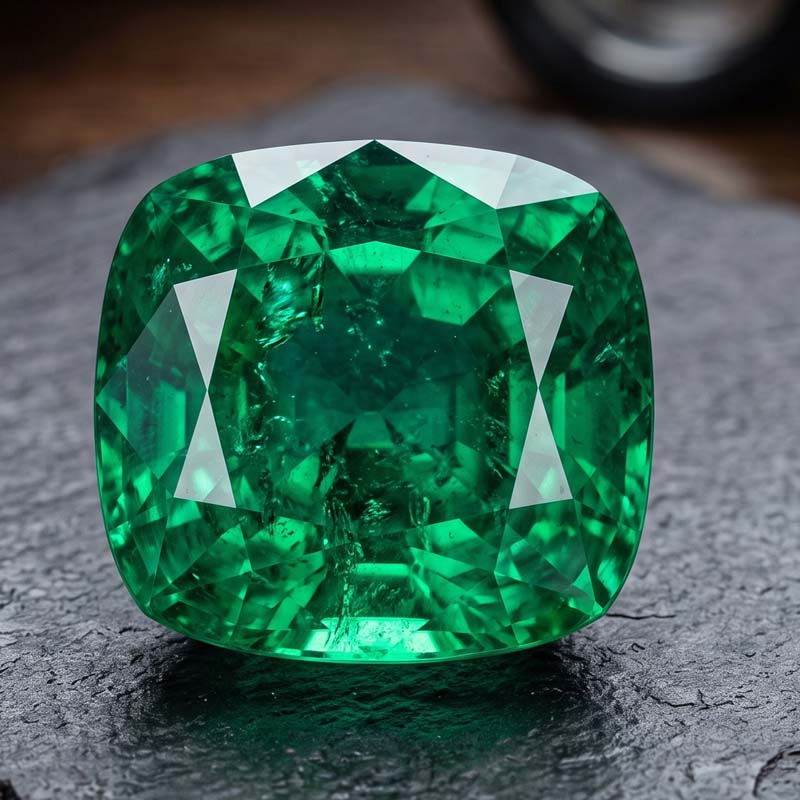
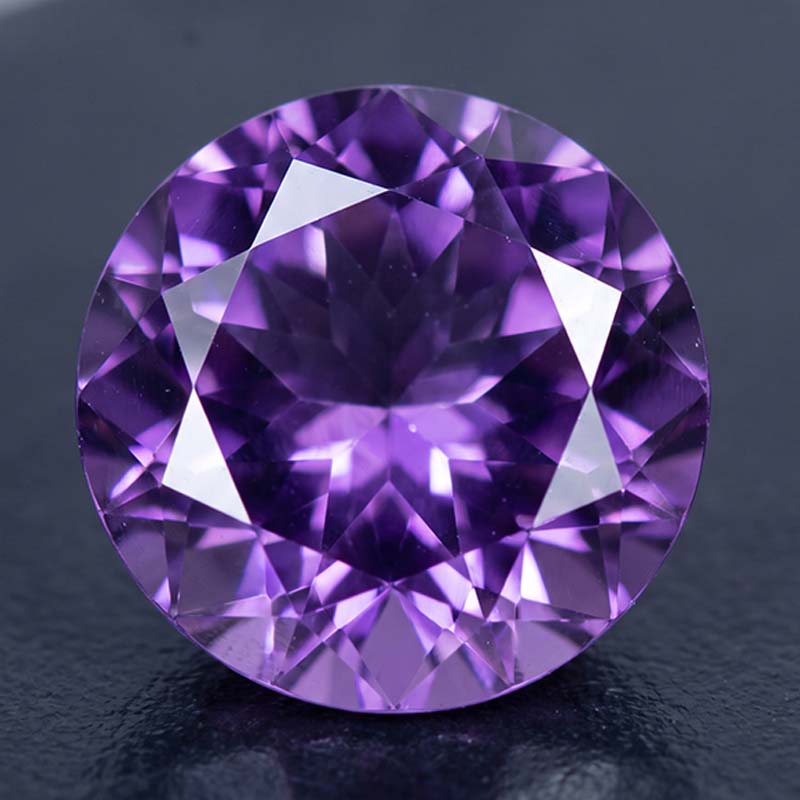
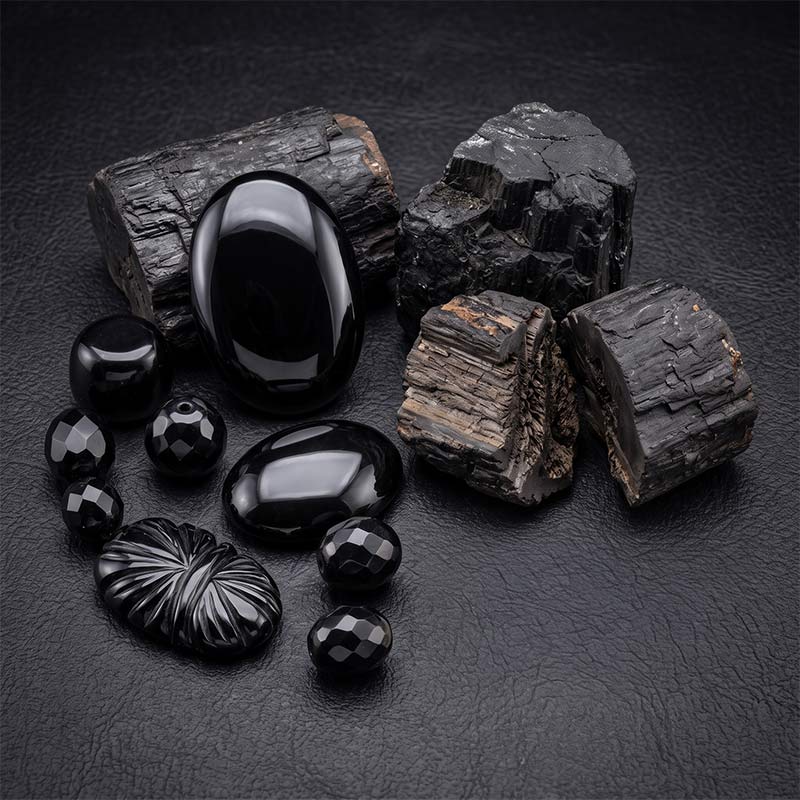
How well do you know your gemstones? Test your knowledge using the visual gallery above.
To practice identifying them offline, right-click on any enlarged image you want to keep and select “Save image as” to download it to your computer. (Note: You can use these images for your personal quizzes, but please do not republish them. The original filename reveals the stone’s true identity!)