A History of British Bridges
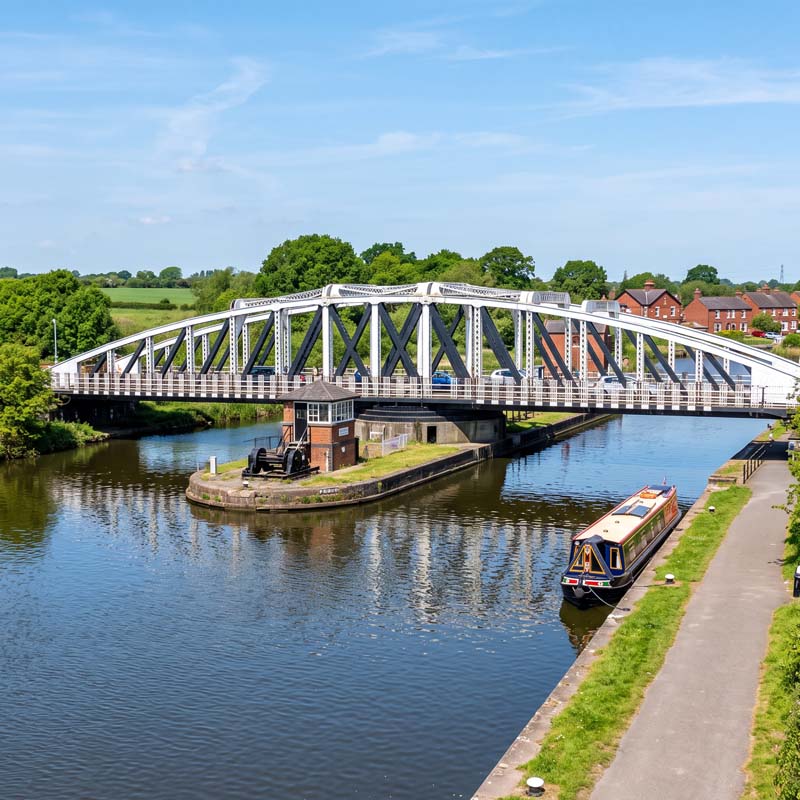
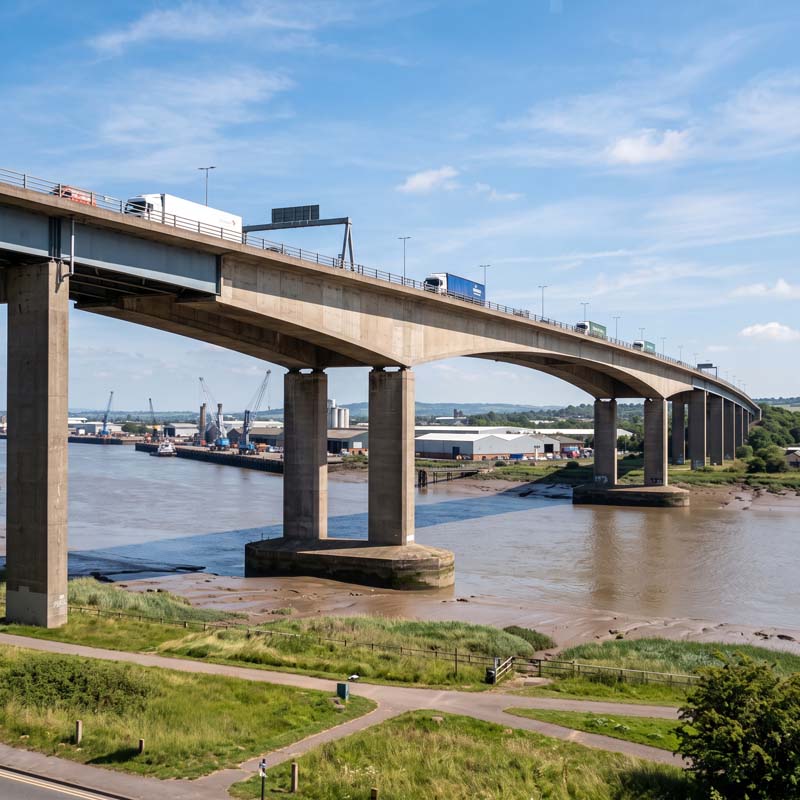
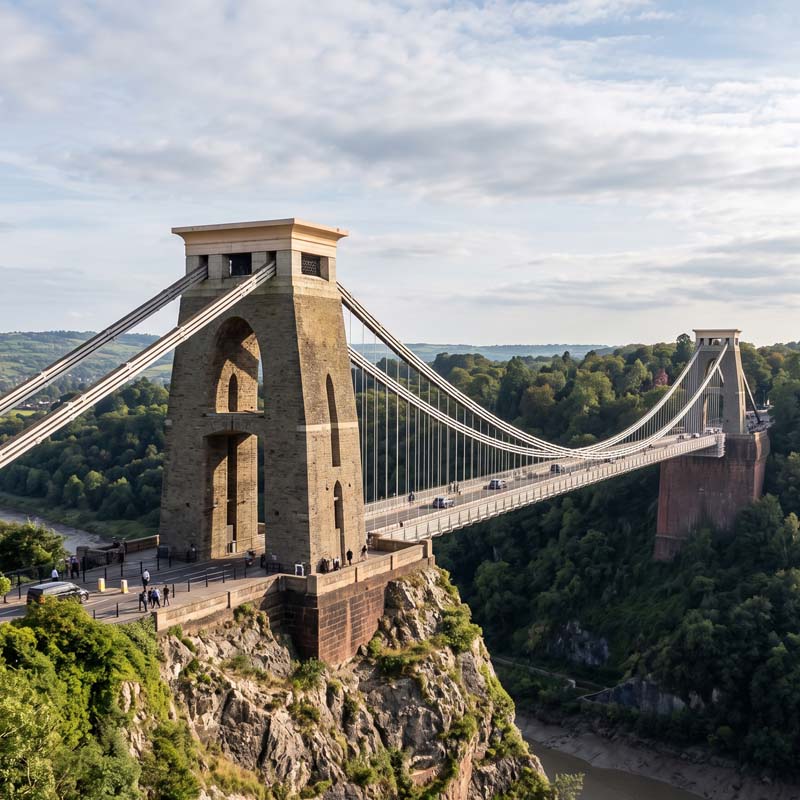
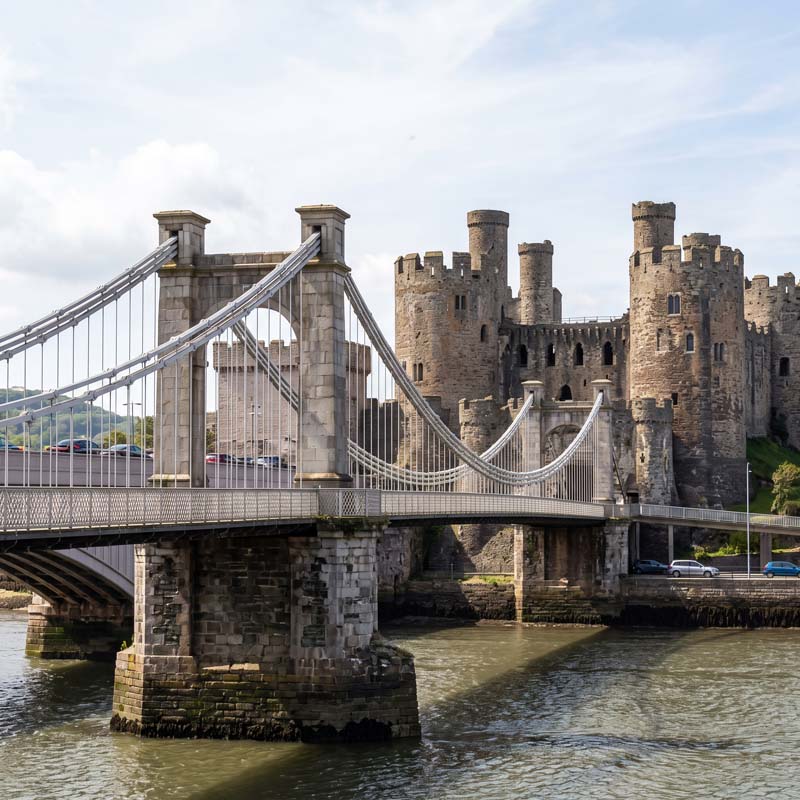
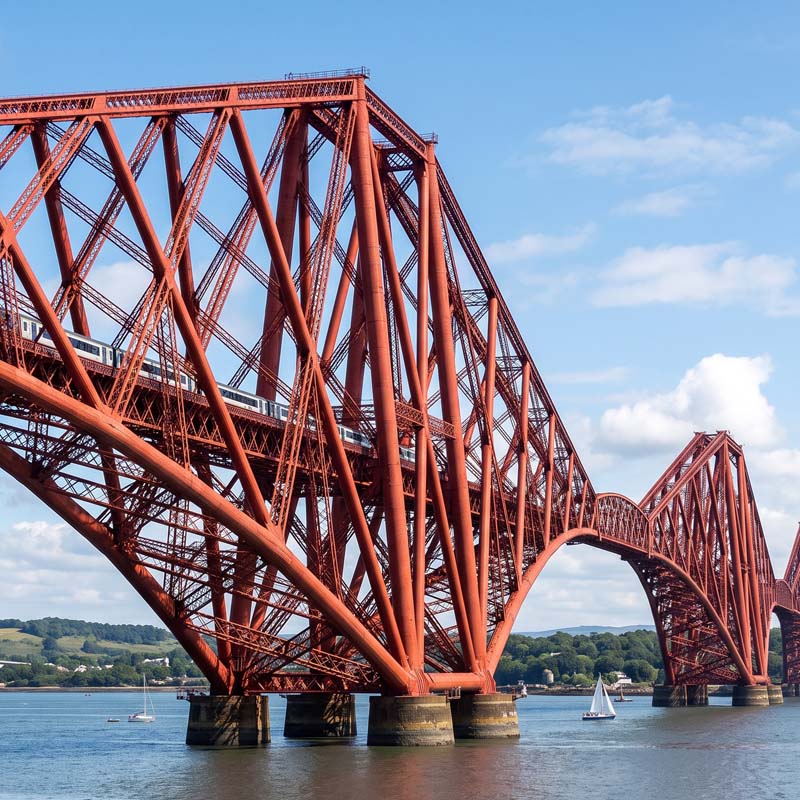
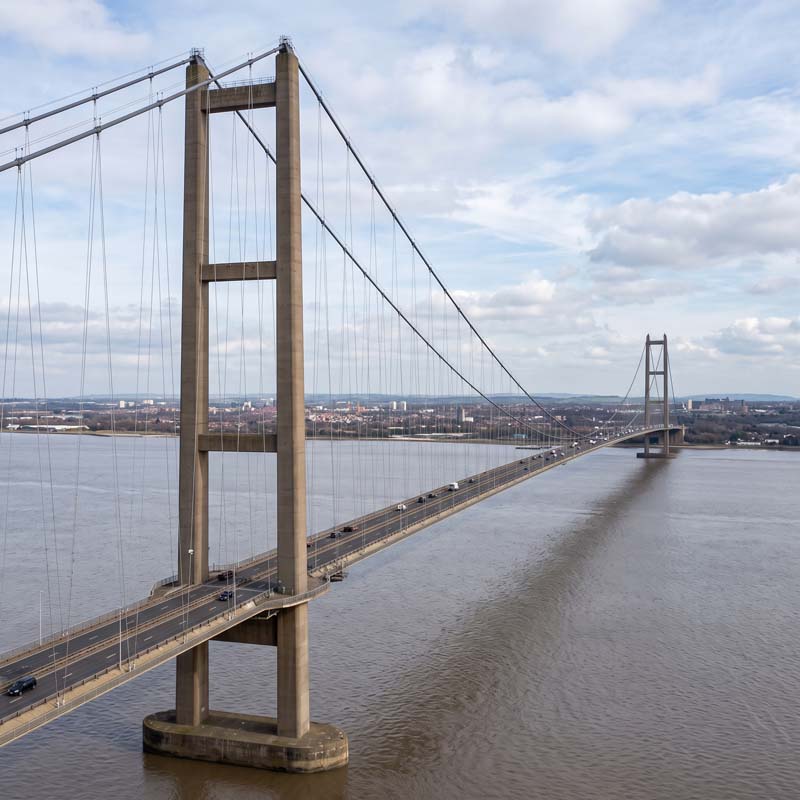
Famous bridges across Britain showcase remarkable engineering and centuries of history. For hundreds of years, builders have shaped the British landscape with these structures, evolving from medieval stone crossings to modern steel marvels.
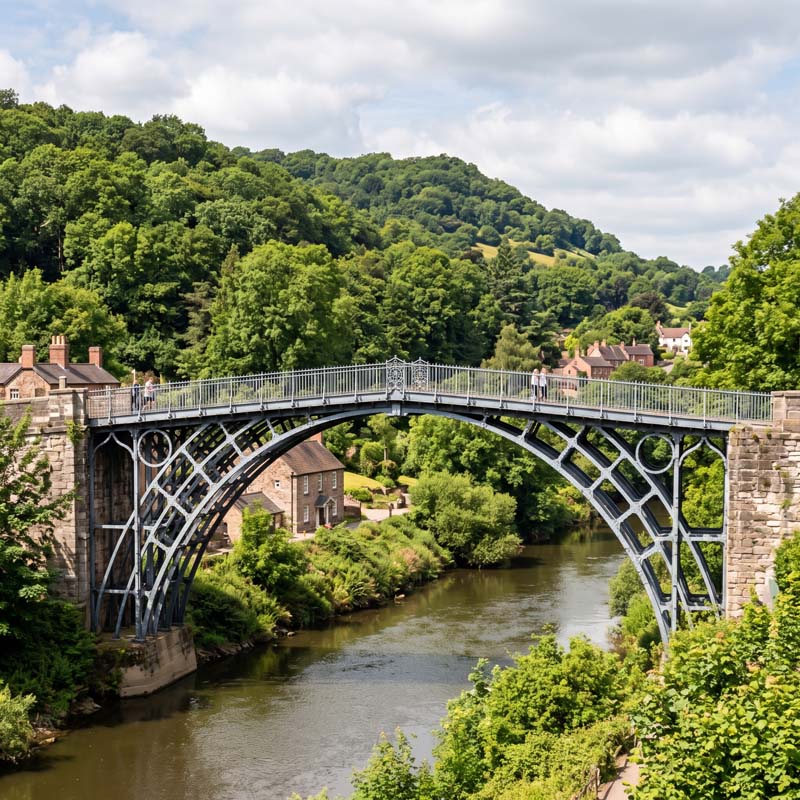
The evolution of bridges perfectly mirrors the Industrial Revolution—shifting from natural materials like stone and wood to manufactured wrought iron and structural steel.
The Transport Revolution
Engineers ignited the transport revolution by constructing extensive canal and rail networks. This infrastructure moved goods faster and cheaper than ever, driving the Industrial Revolution forward. However, to connect the country, engineers first had to conquer mountains, rivers, and marshes.
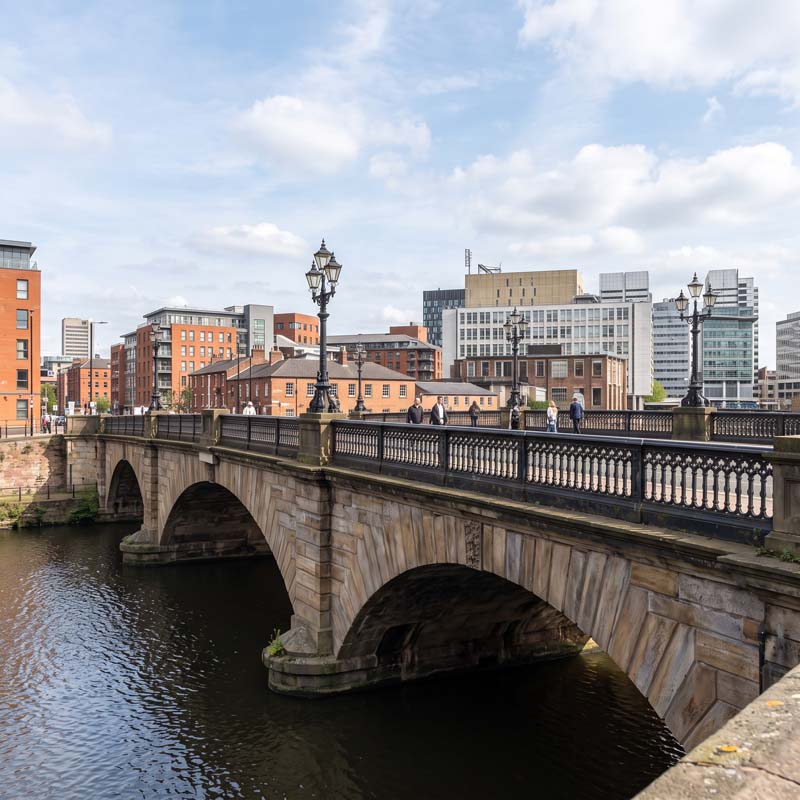
Early Britons built simple wooden bridges. By the Middle Ages, stonemasons constructed durable stone arches. Yet, until the 1700s, the physical limits of a stone arch’s maximum span severely restricted where builders could cross waterways.
The Iron Age
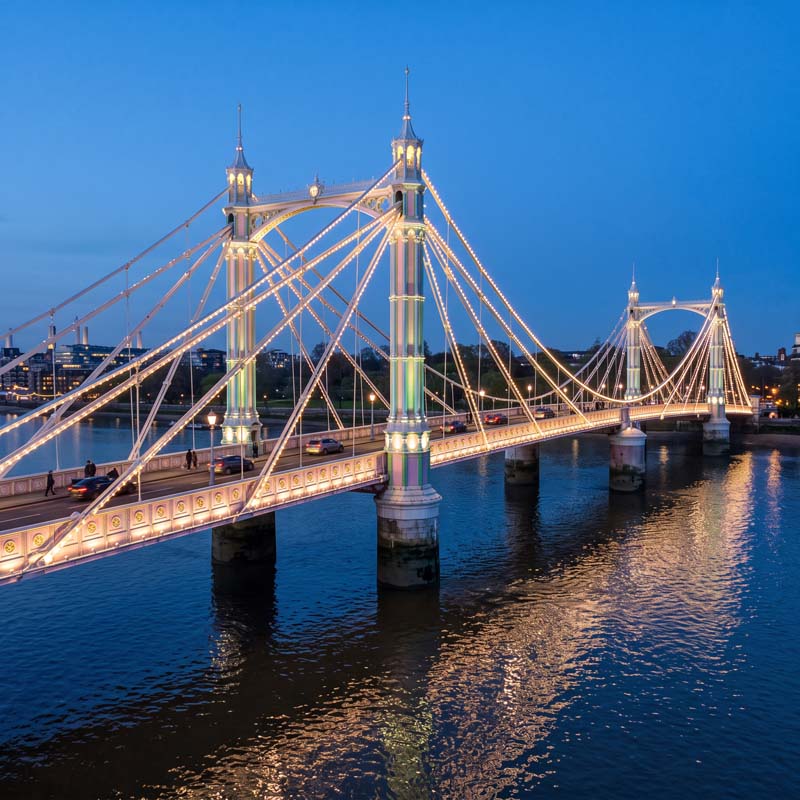
In 1741, engineers constructed Europe’s first wrought-iron suspension bridge over the River Tees. By suspending a roadway from cables rather than supporting it from below with heavy arches, builders unlocked the ability to cross much wider rivers.
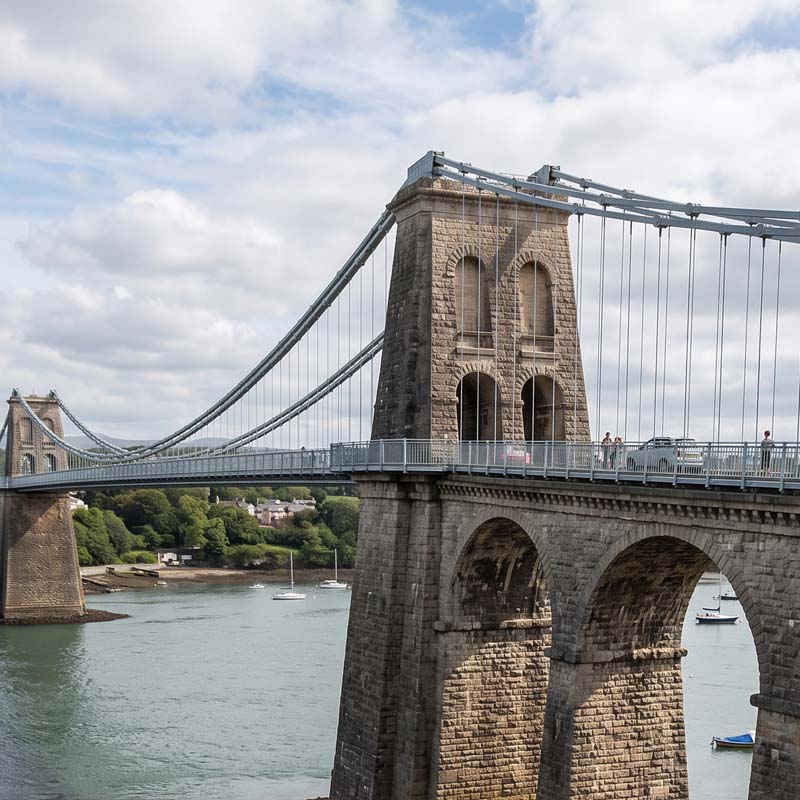
Thomas Telford capitalised on these rapid advances in wrought-iron chains to design the Menai Suspension Bridge. When workers opened it in 1826, it held the record as the world’s longest suspension bridge.
How to Use the Quiz Images
We have provided a gallery of notable sculptures for you to identify. Follow these steps to download the files:
- Reveal the Answer: Hover your mouse pointer over the grey box below an image to reveal its answer. If you use a mobile device, press and hold your finger on the box.
- Download a File: Right-click the enlarged image you want and select Save image as. This action opens a dialog box, allowing you to save the file directly to your computer.
- Check the Key: Look at the picture’s filename—it serves as the answer key.
Note: You may use these images freely for your personal quizzes, but you may not republish them in any format.
If you find this content useful, please leave a comment or click the like button below.