Historical Origins
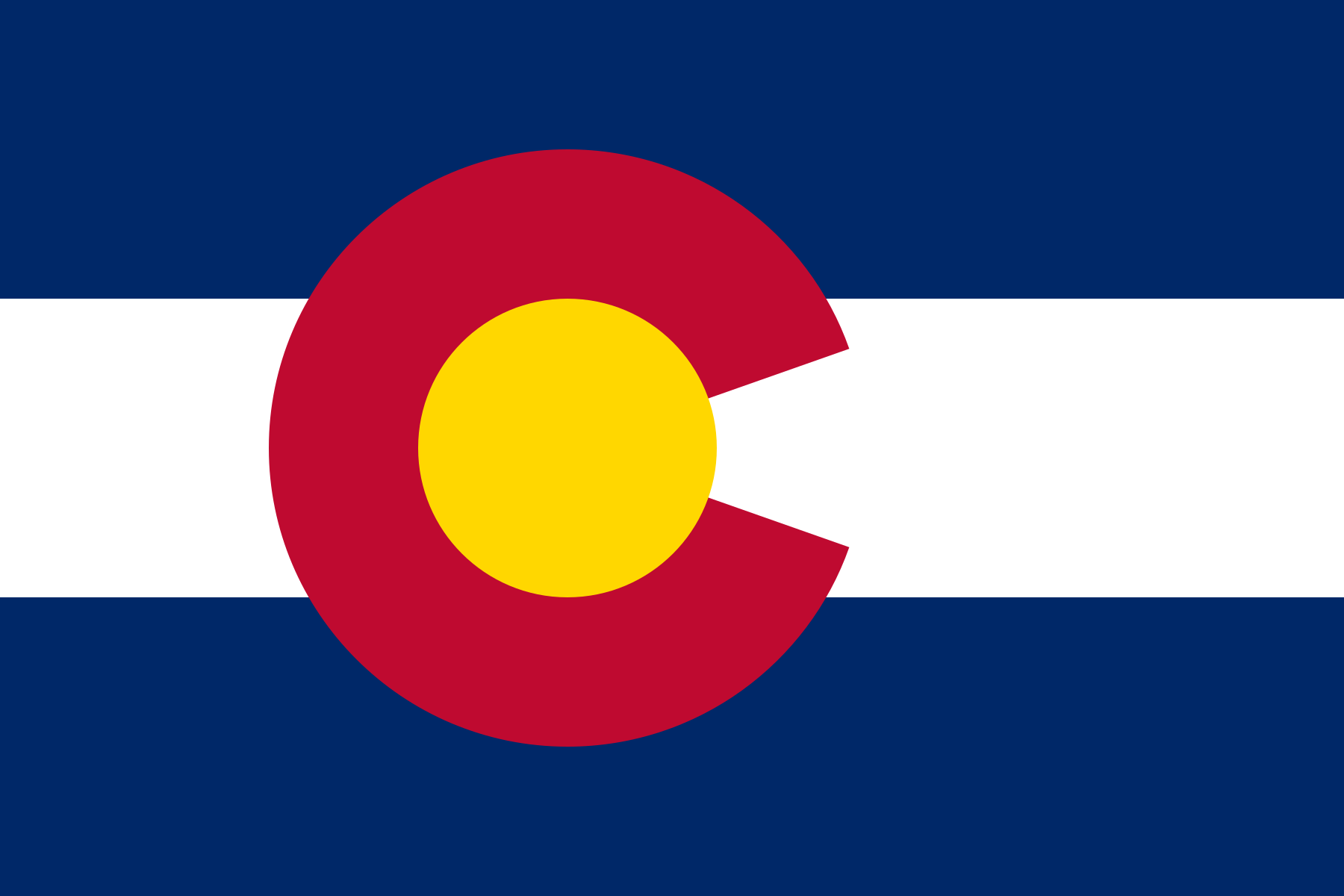
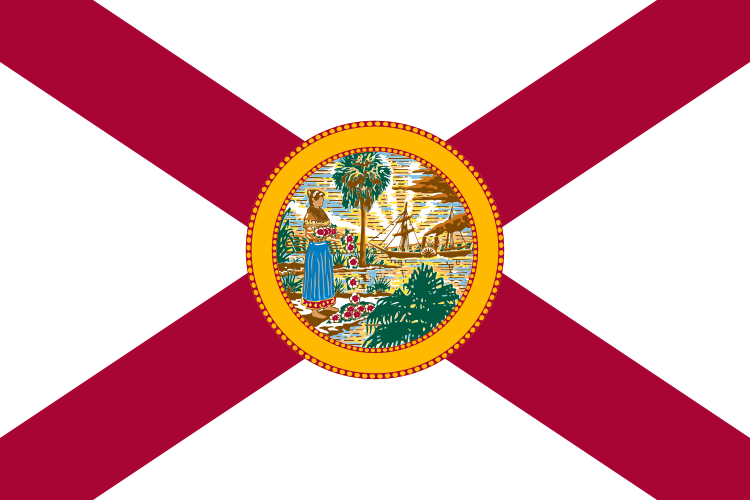
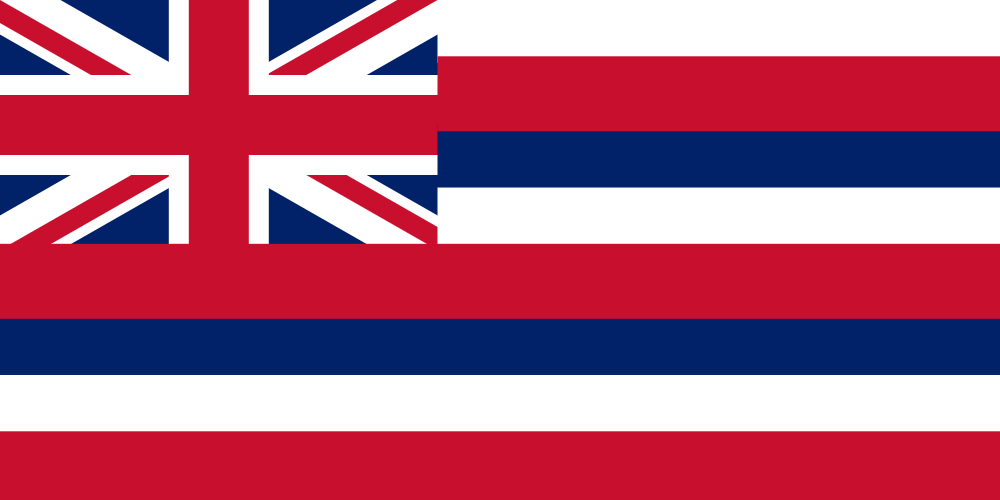
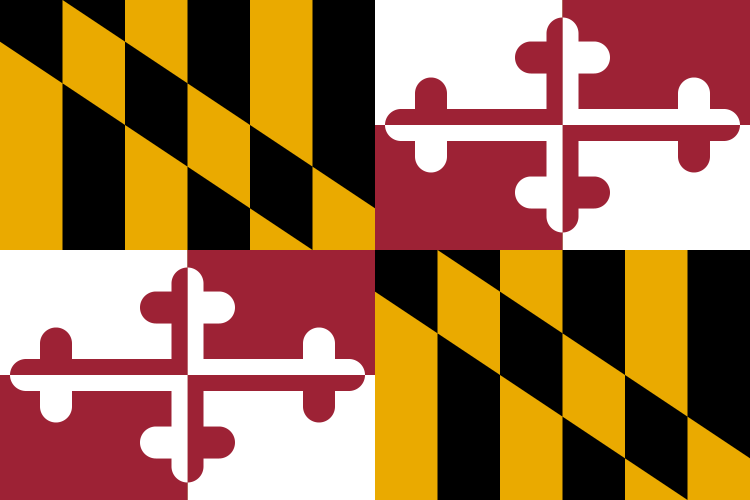
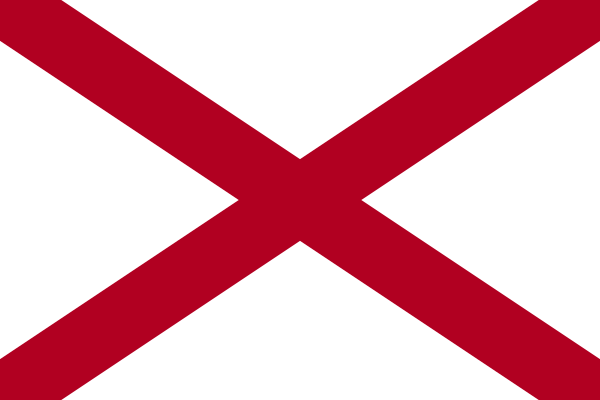
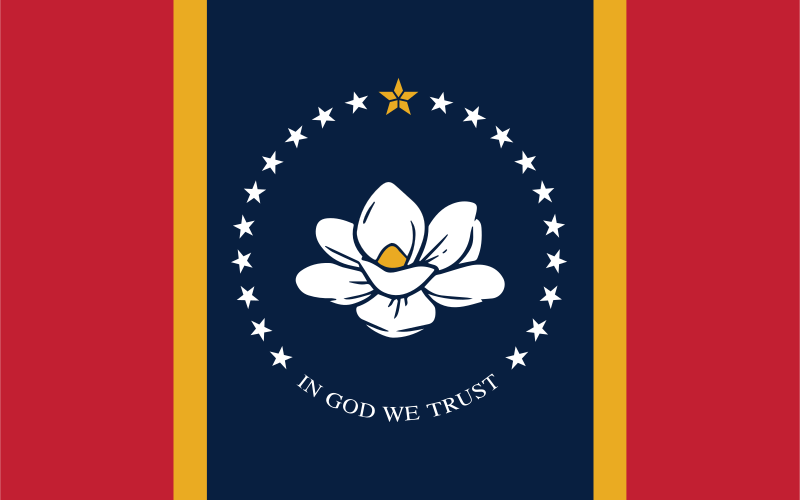
Historically, the flags representing U.S. states, territories, and Washington, D.C. showcase diverse regional influences, local histories, and distinct design principles. The origins of modern U.S. state flags trace back to the turn of the 20th century. Specifically, state officials developed these distinctive symbols to represent their regions at the 1893 World’s Columbian Exposition in Chicago, Illinois. Consequently, state legislatures designed and adopted most of these flags between 1893 and World War I, although a few notable exceptions exist.
Recent Adoptions and Redesigns
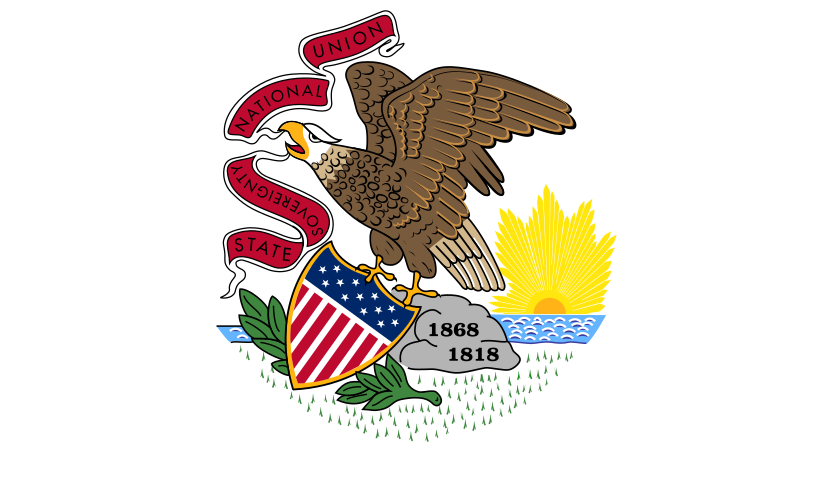
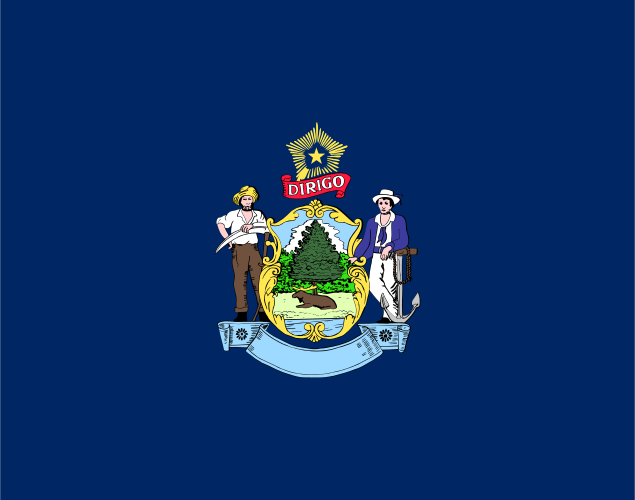
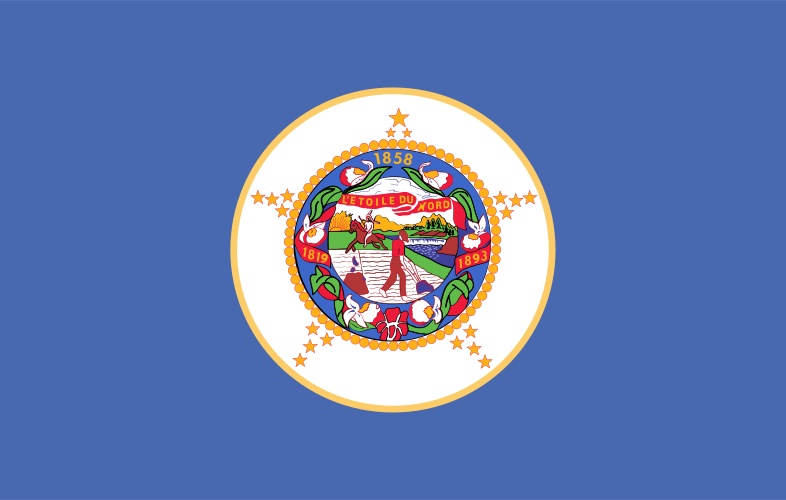
More recently, governments have continued to update their official banners. For instance, Minnesota adopted the newest state flag on May 11, 2024. Similarly, the Northern Mariana Islands adopted its most recent territorial flag on July 1, 1985, whereas the District of Columbia adopted its flag much earlier, in 1938. Furthermore, lawmakers in Massachusetts (2021) and Illinois (2024) recently passed legislation to begin redesigning their respective state flags. However, not all redesign efforts succeed: Maine officials placed a proposed flag redesign on the November 2024 ballot, but voters ultimately rejected it in a referendum.
Common Design Patterns
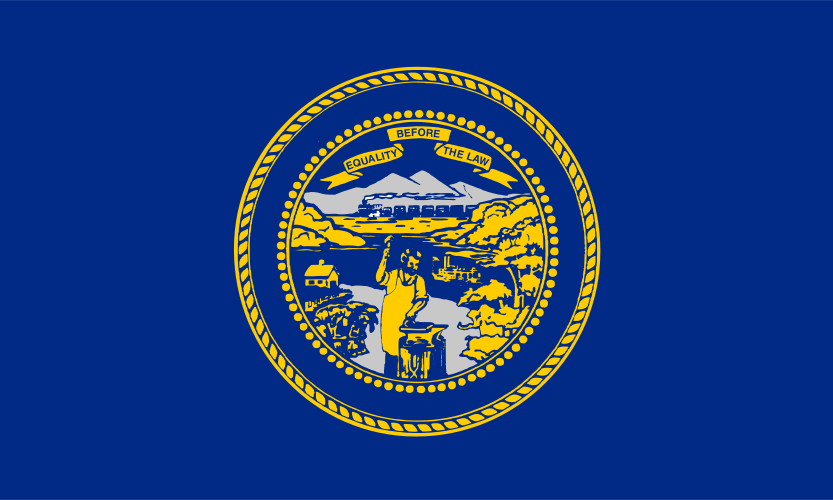
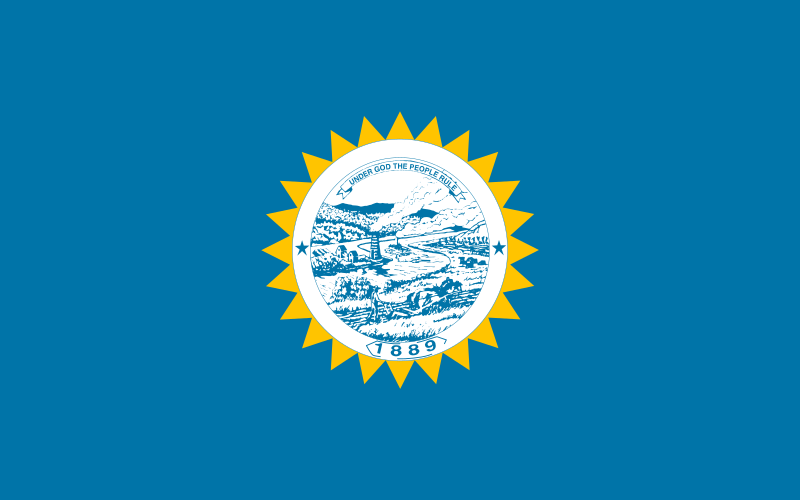
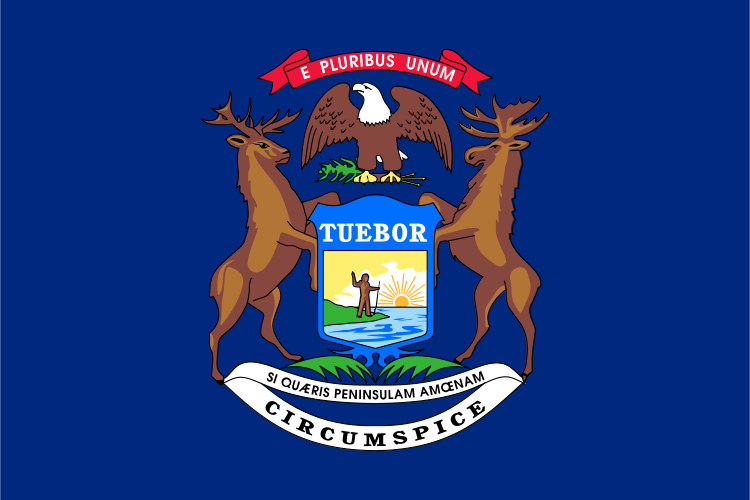
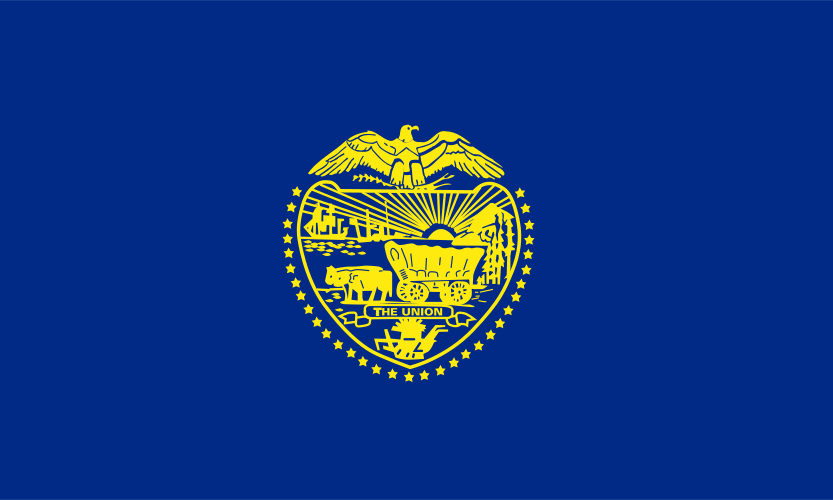
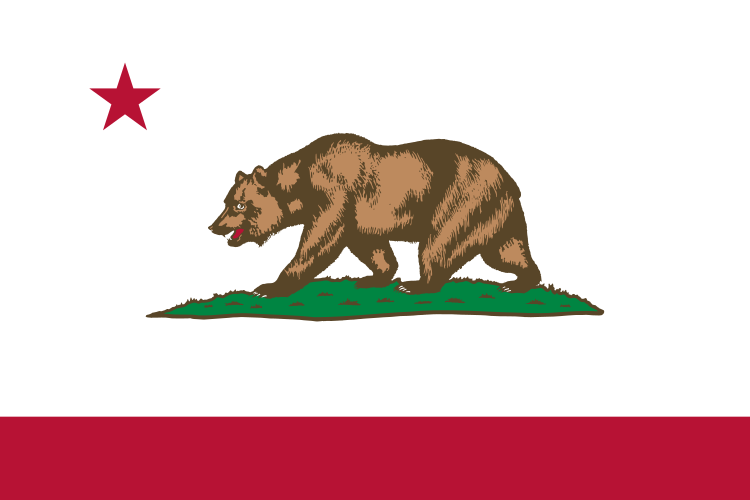
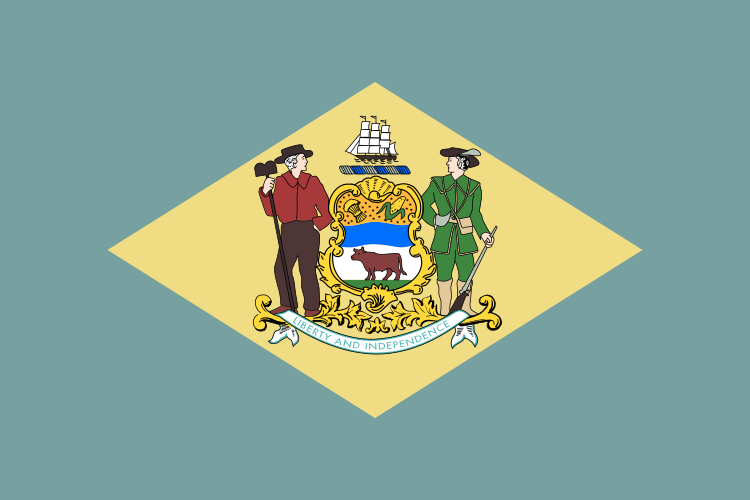
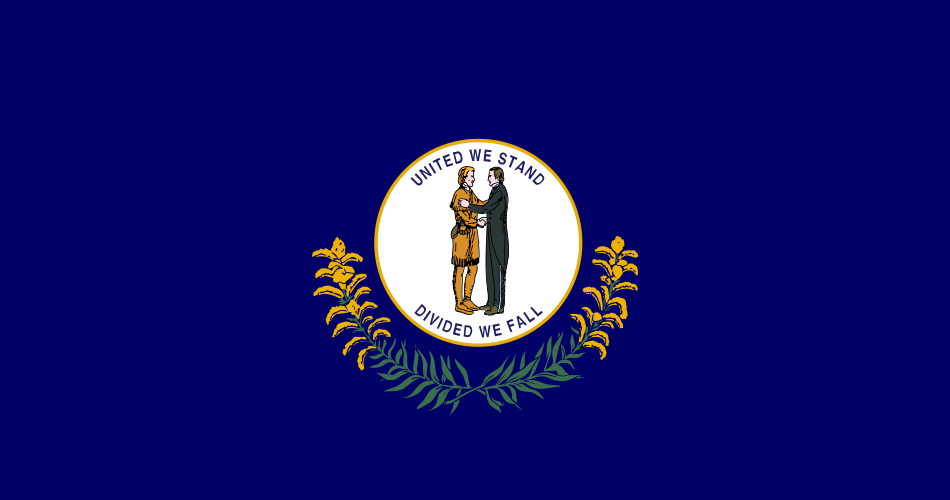
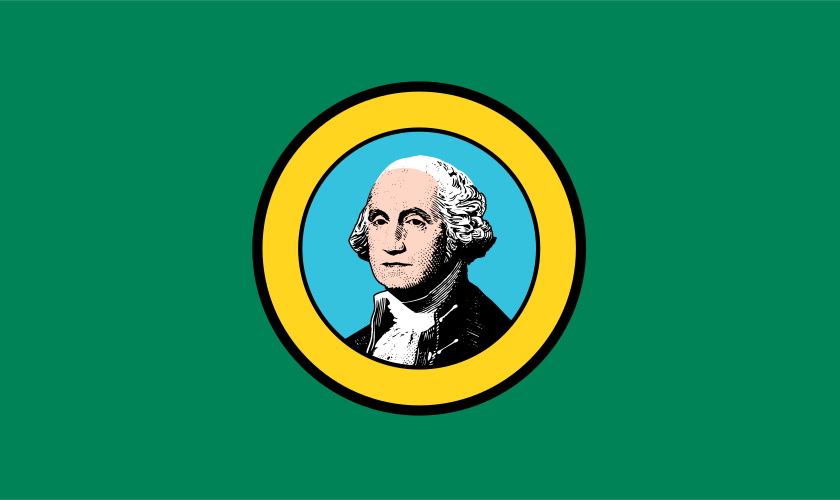
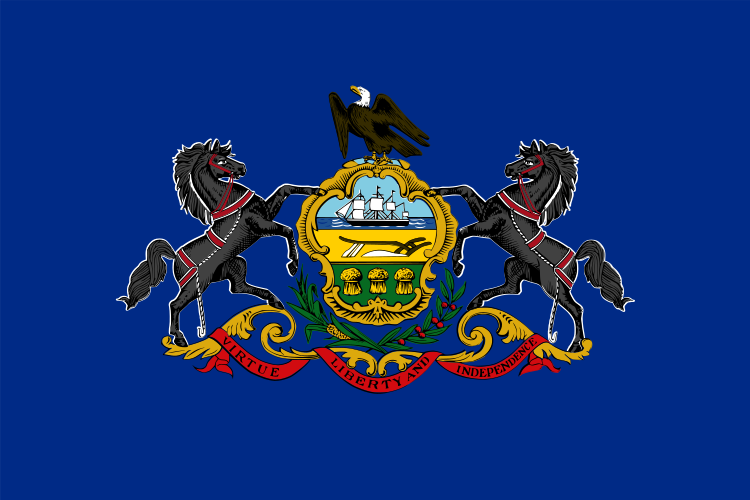
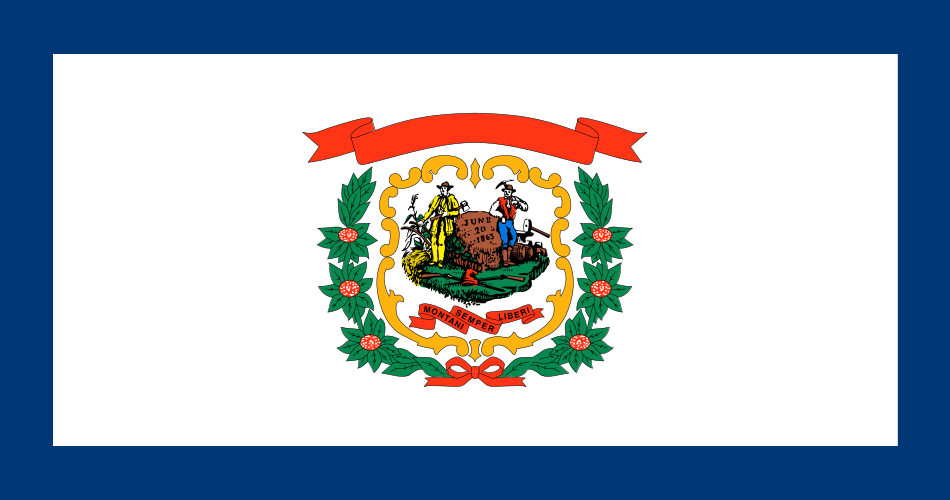
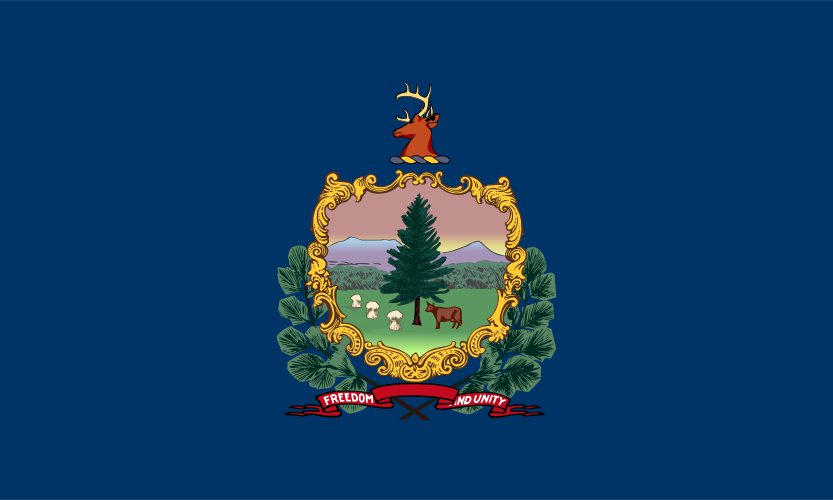
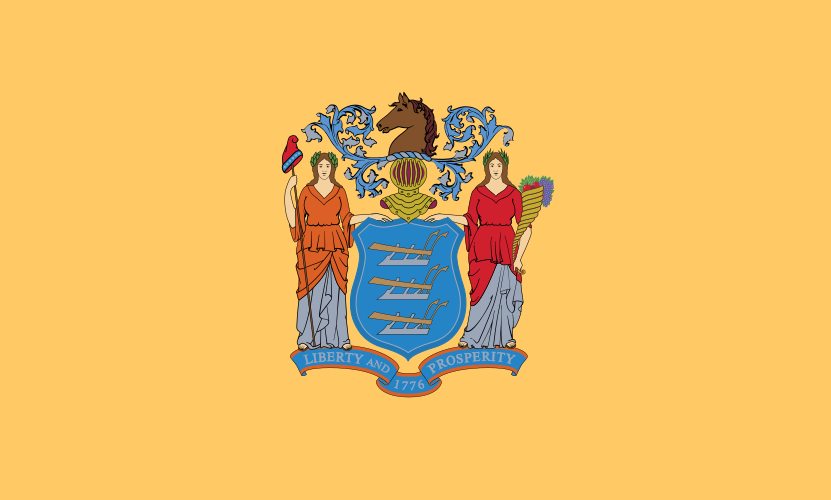
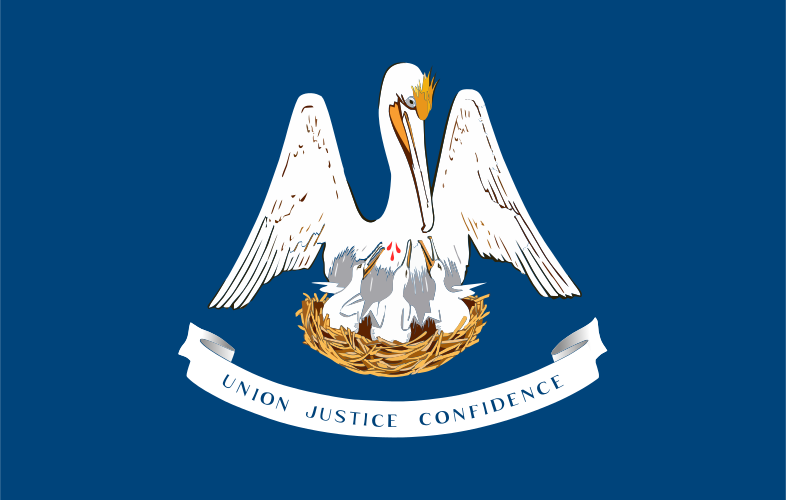
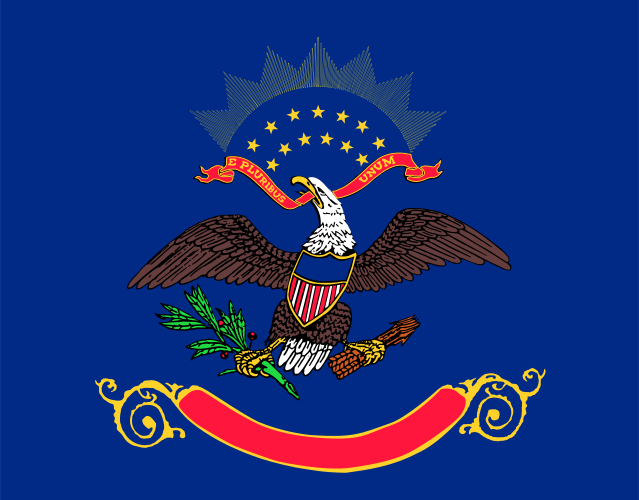
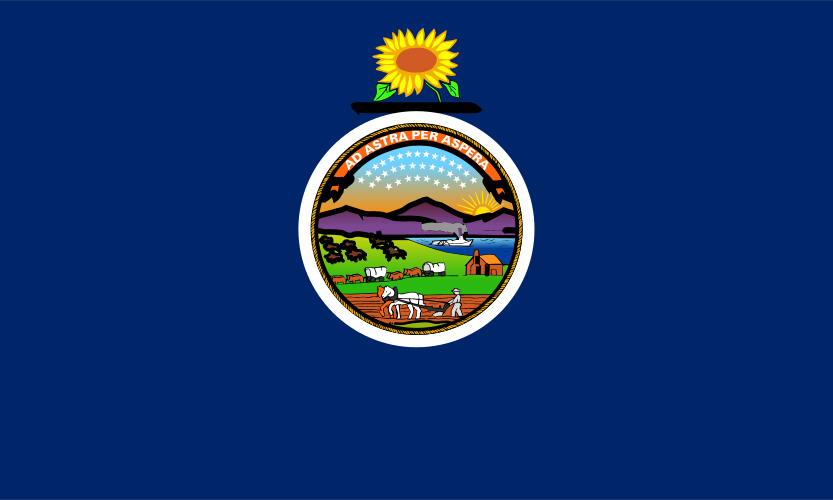
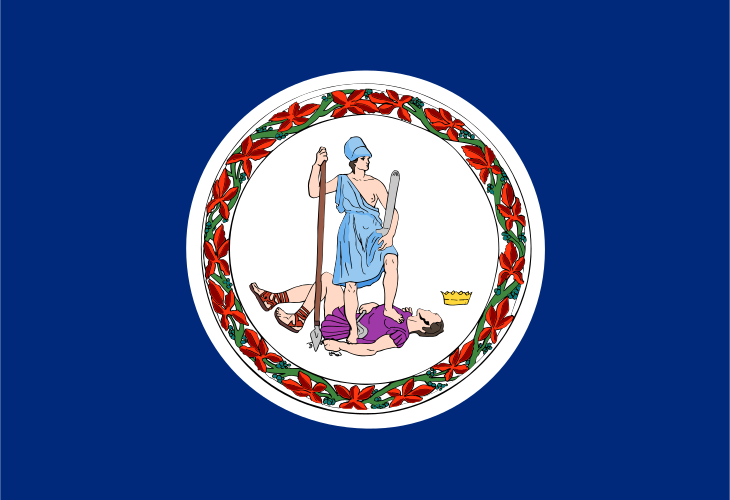
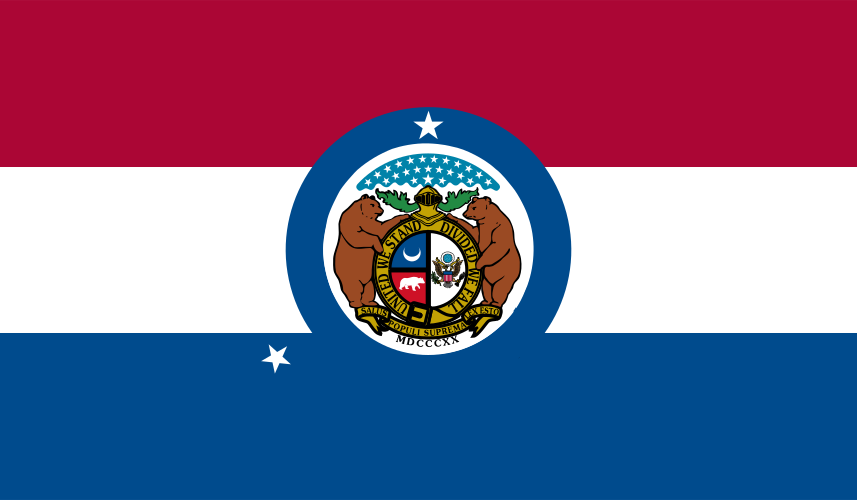
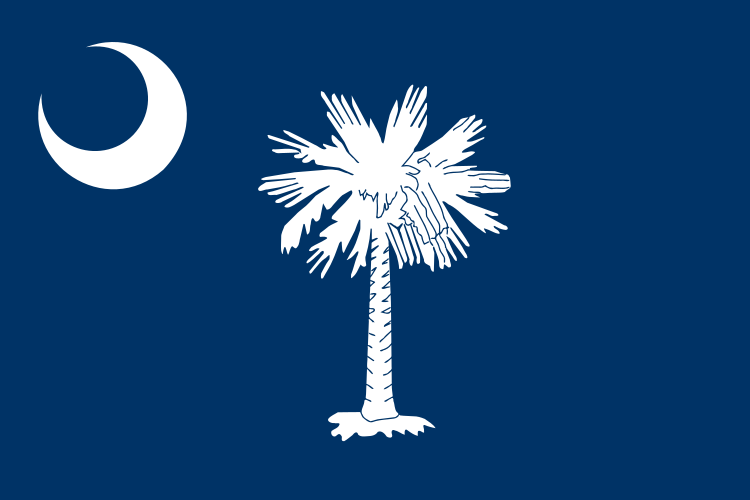
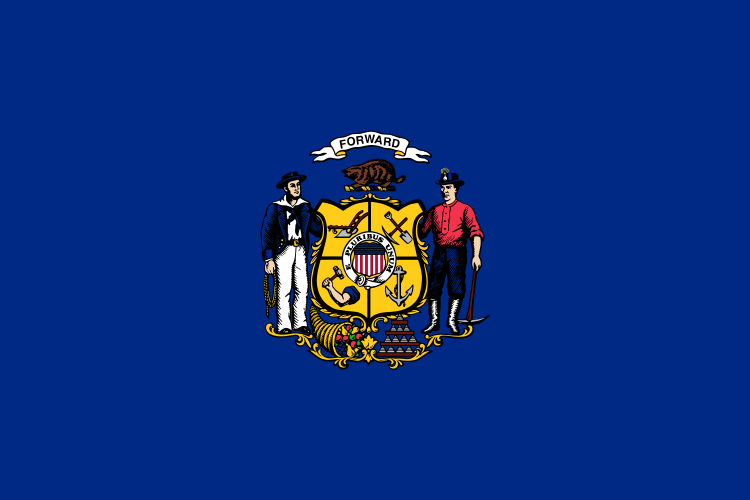
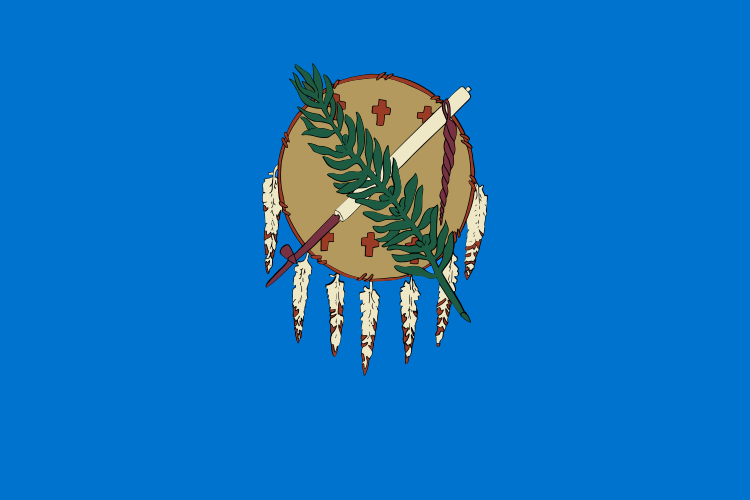
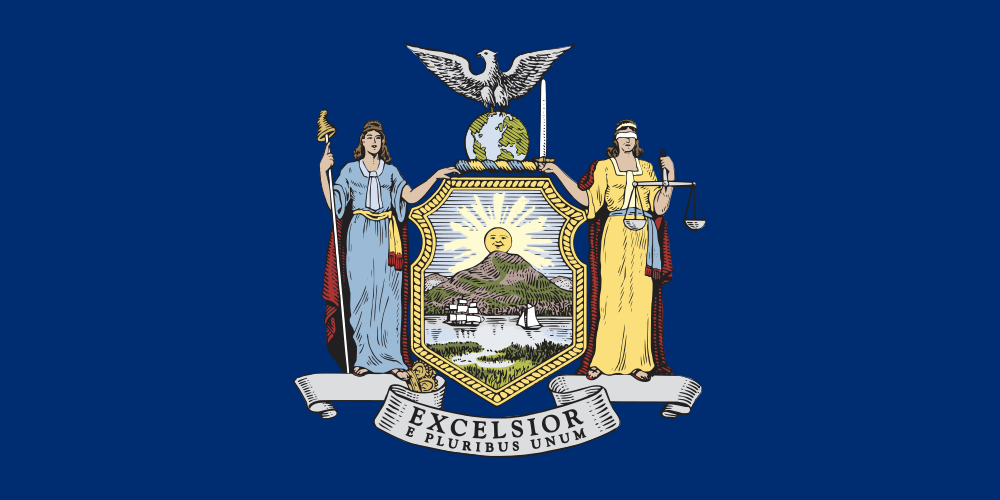
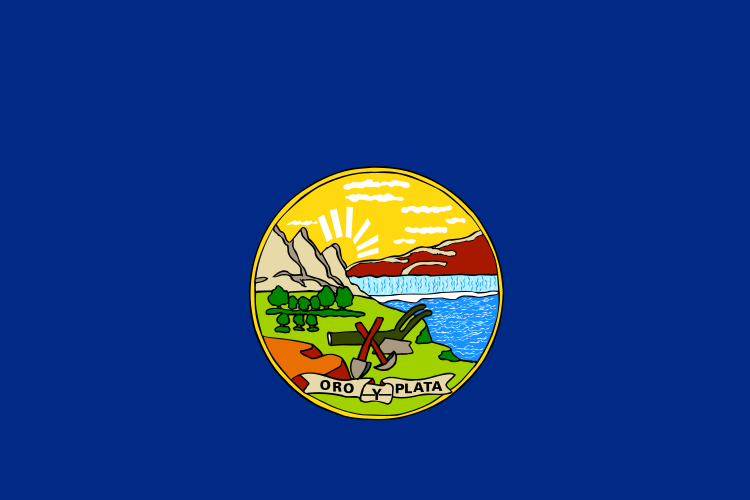
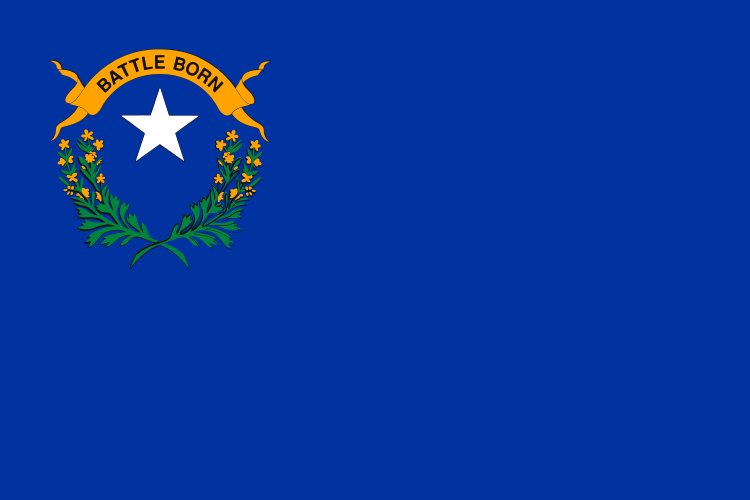
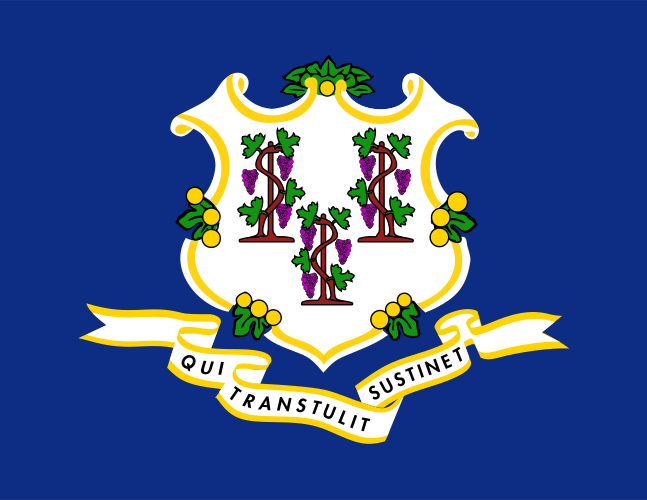
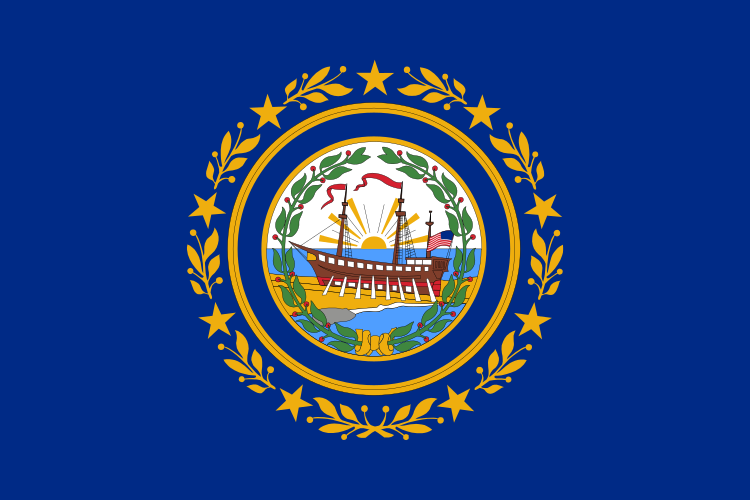
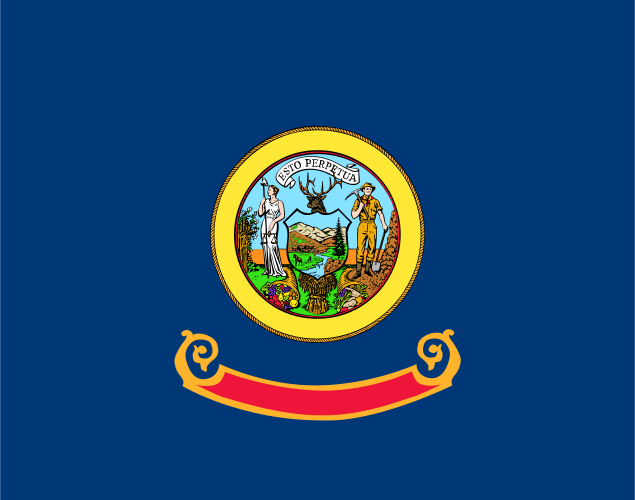
Despite their unique histories, many state flags share a highly repetitive visual structure. In fact, flag designers frequently place the official state seal directly over a monochrome background, which typically features a shade of blue.